From data management to an intelligent data fabric architecture

Large enterprises today manage more machine data than ever before. From legacy applications to modern, ERP and supply chain systems to cloud infrastructure, cybersecurity, and customer-facing applications, much of this valuable data remains trapped in silos, limiting its potential to drive faster decisions, strengthen resilience, and meet the demand for optimum service availability.
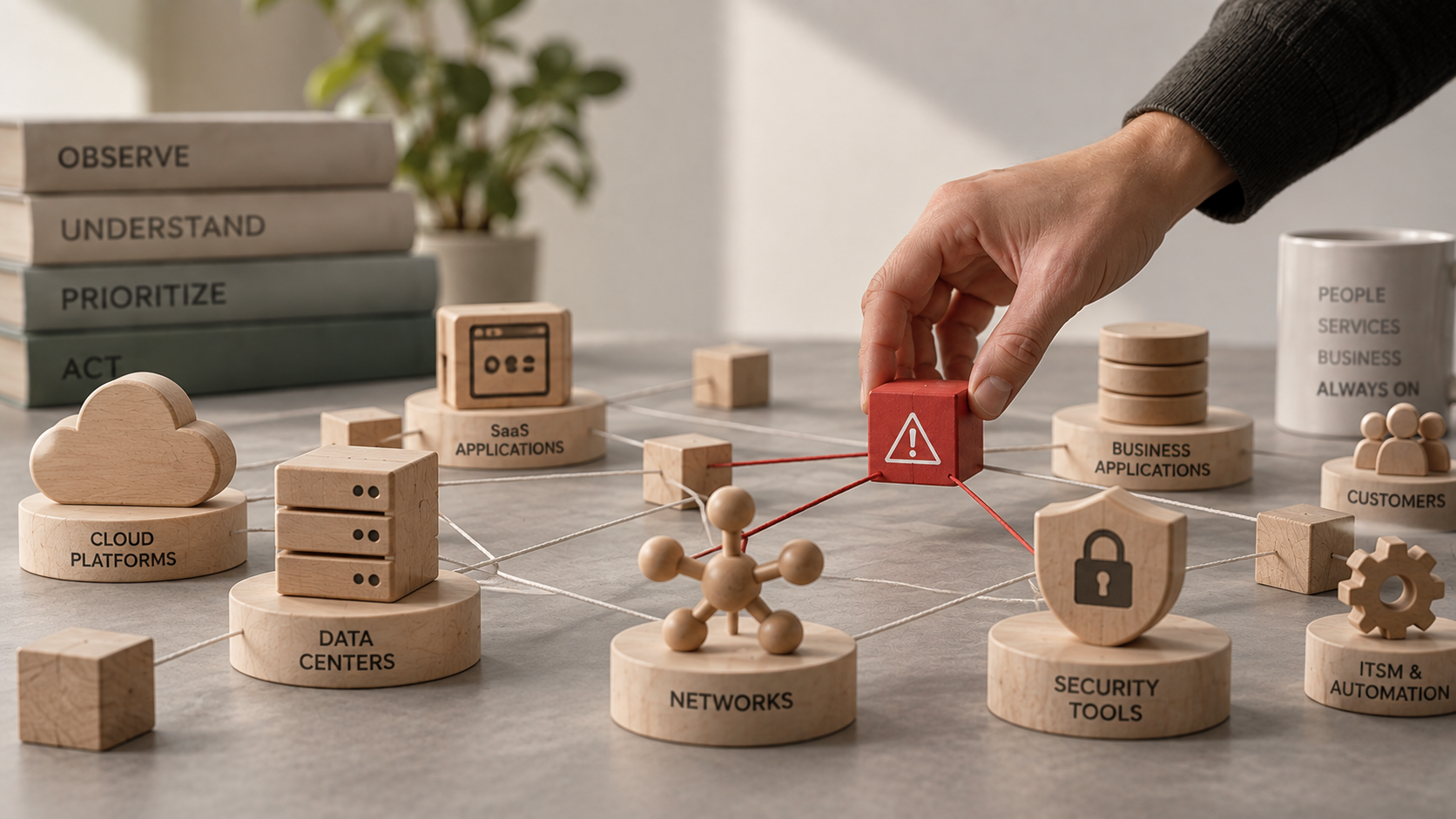
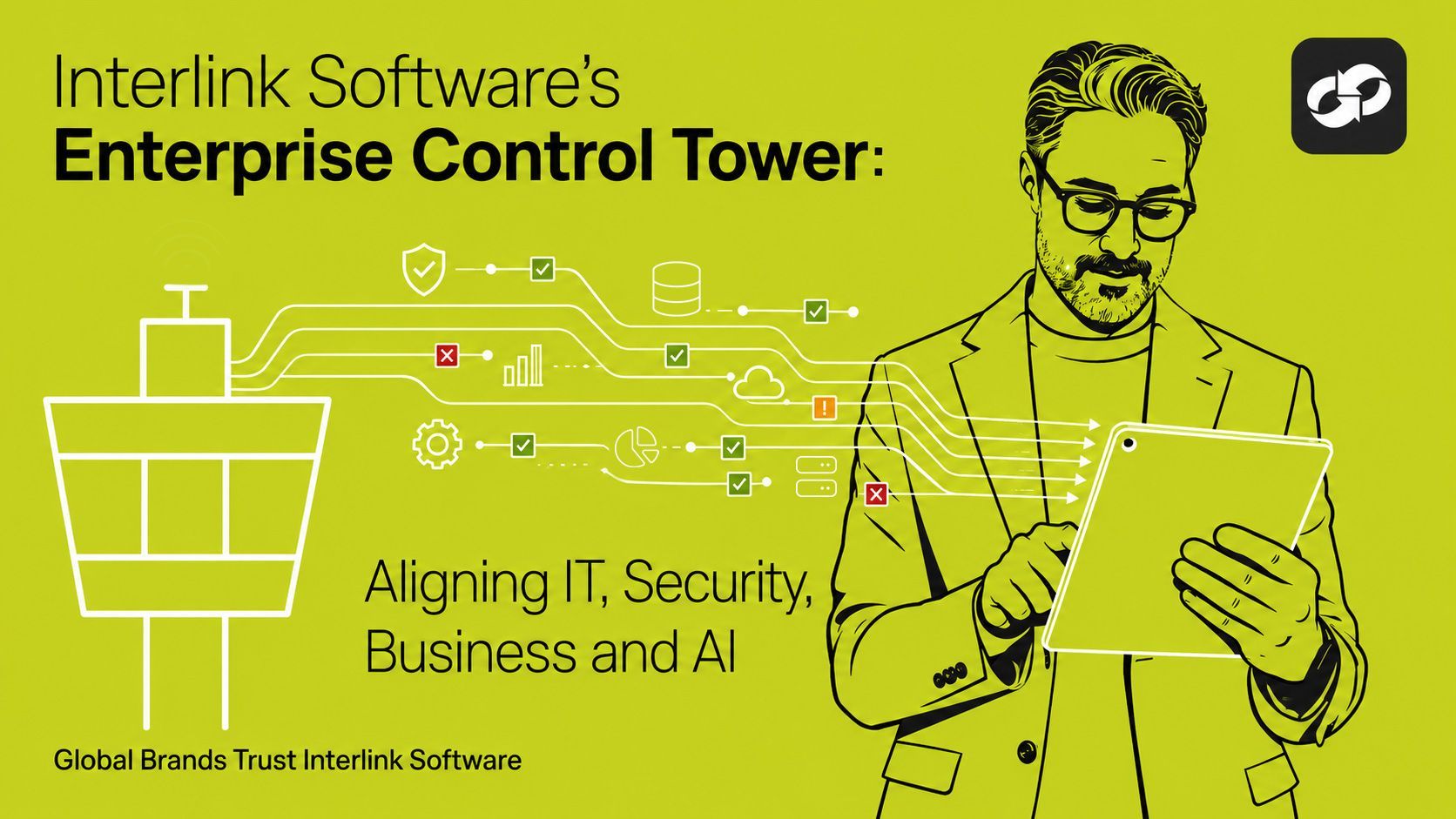
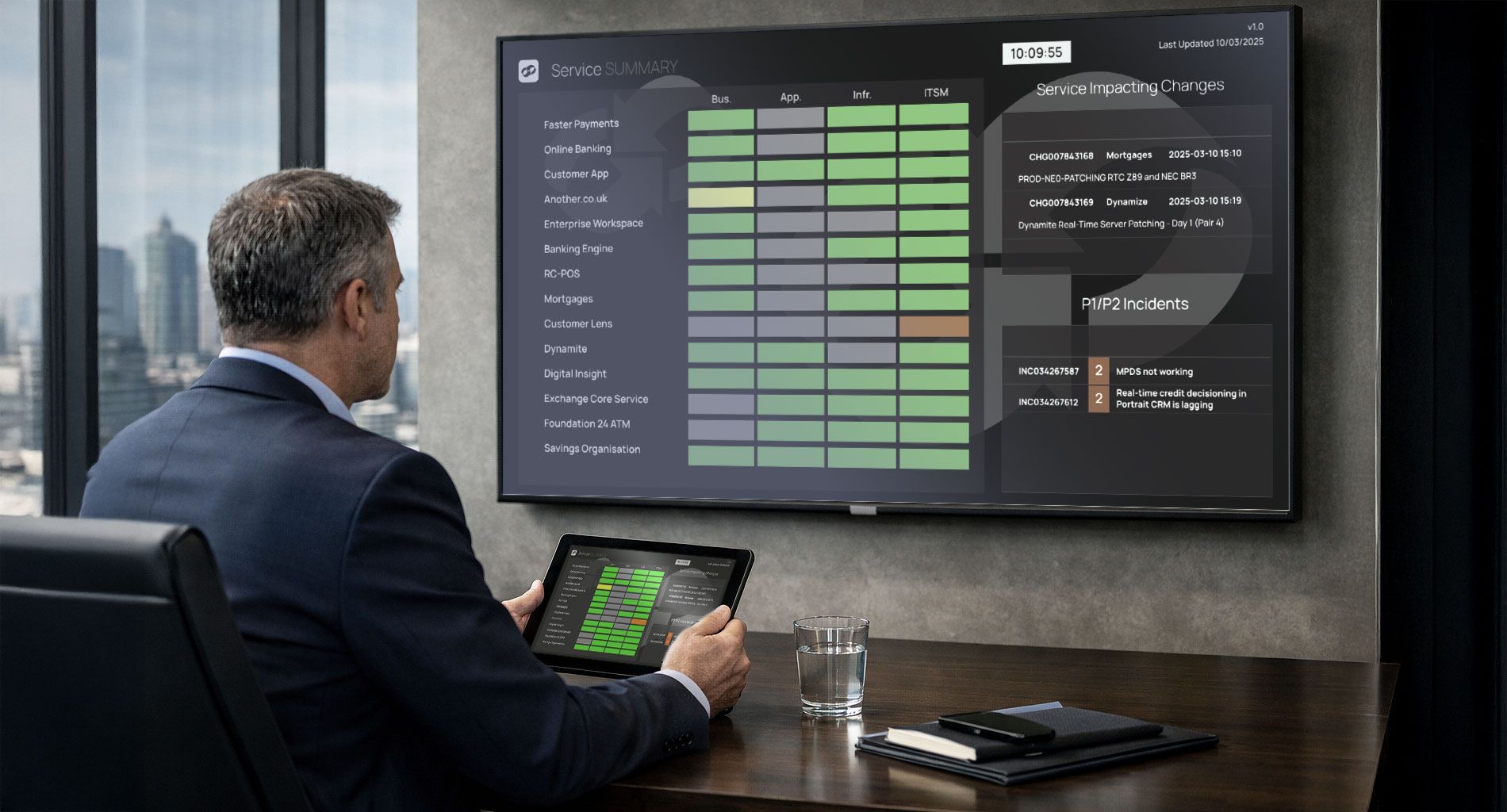
An intelligent data fabric architecture provides a smarter alternative to traditional data management. Instead of relying on static data warehouses or disconnected monitoring systems, it offers a dynamic framework that connects, enriches and analyzes data across every layer of the enterprise. This helps organizations create a single, trusted view of operational health and business performance in real time.
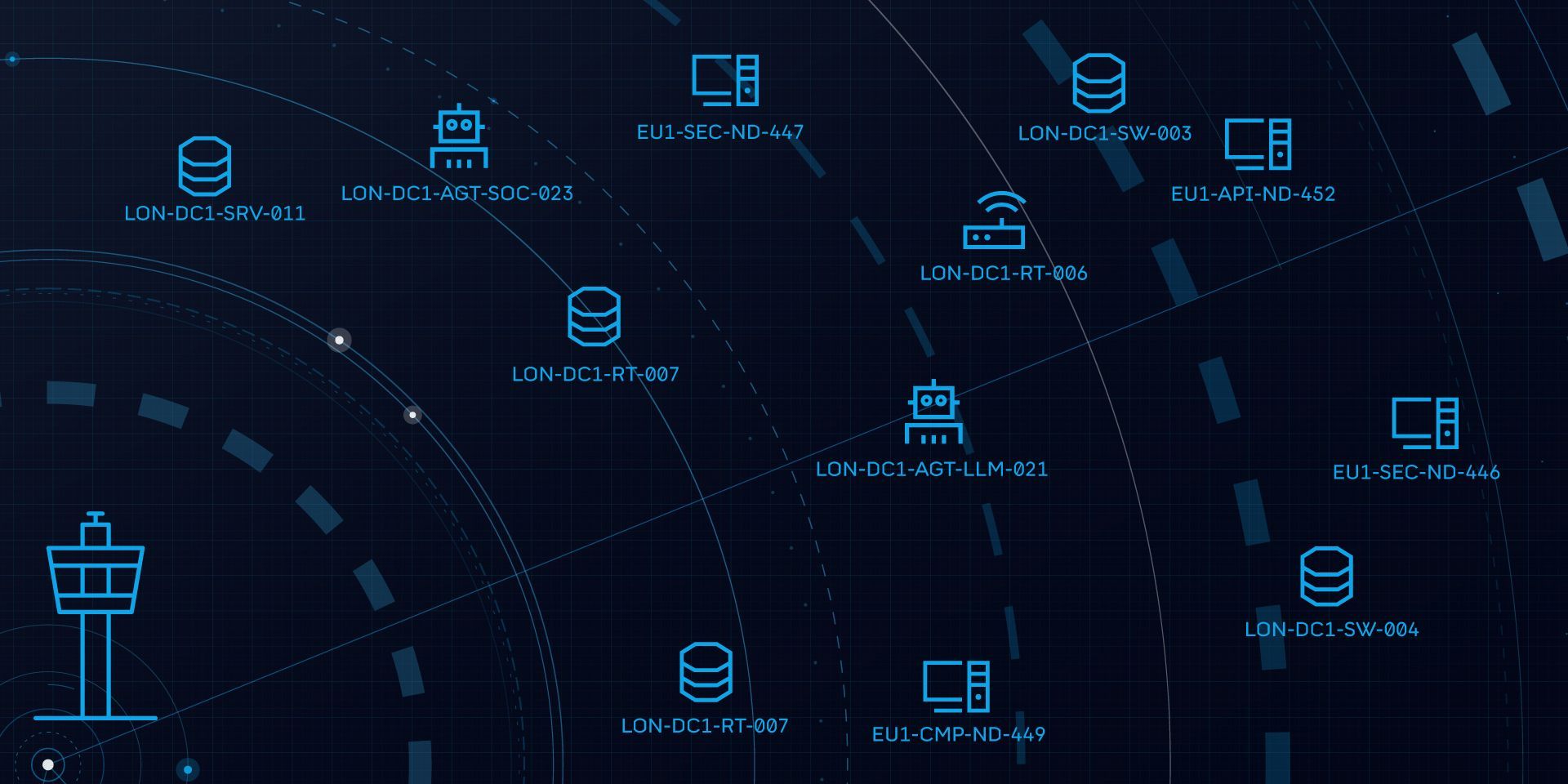
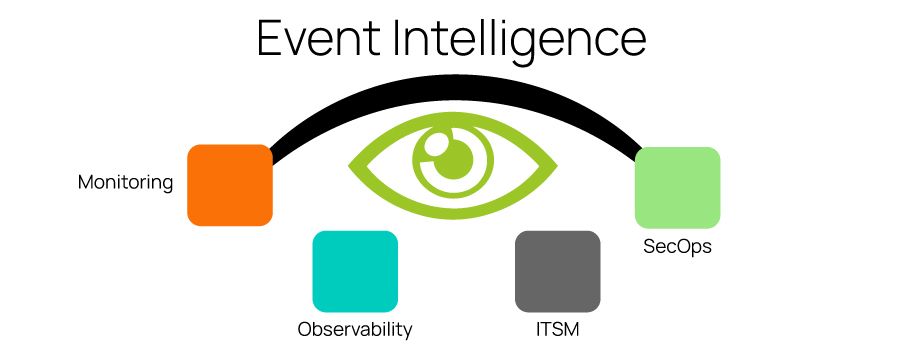
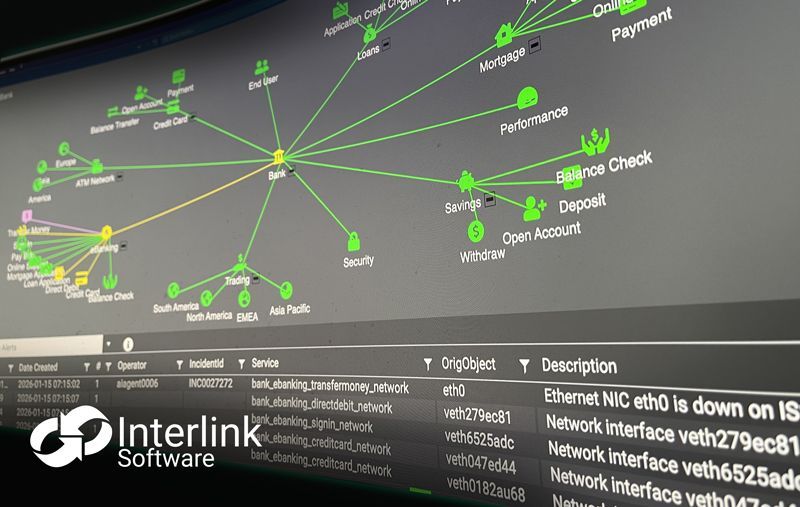
Interlink Software’s approach reflects this direction. Through its Integration Hub and Data Hub, data can be brought together from monitoring tools, cloud environments, SIEM systems and ITSM platforms. Using techniques such as machine learning, fuzzy matching and knowledge graphs, related events and patterns can be identified more quickly, helping teams understand business impact and context.
A key principle behind this model is vendor neutrality. Interlink is designed to sit above, alongside, or layer on top of the plethora of Observability, APM, SIEM, ITSM, ITOM, NPM, ITIM, Log Analytics, OTel and VM tools and platforms enterprises already depend on - without forcing a rip-and-replace strategy.
This flexibility means organizations can evolve toward a data fabric architecture at their own pace, building on their existing tooling investments, rather than discarding them.
By moving from a traditional data management approach to a purpose-built machine data fabric, large enterprises can:
- Turn operational data into real-time insight. The intelligent data fabric transforms raw telemetry into actionable intelligence so that teams can make faster, better-informed decisions and keep vital services running smoothly
- Close visibility gaps and strengthen security. Connecting data across on-premises, cloud, and hybrid environments gives IT and security teams a unified operational picture. This improves compliance and strengthens the organization’s security posture without introducing new tools or complexity
- Support multiple use cases from one architecture. A single data fabric can power a range of business and IT functions - from risk and resilience monitoring to sustainability tracking and regulatory reporting - through shared data pipelines and intelligent federation
For large enterprises, adopting an intelligent data fabric architecture supports the move from reactive management to proactive intelligence. It helps align technology, compliance and customer experience objectives, creating a foundation for operational resilience and innovation at scale.
IT leaders might ask: how easily can we see, understand and act on the truth within our machine data today?
Interlink Software works with enterprises to evolve toward intelligent, vendor-neutral data architectures that enhance visibility and resilience without disrupting existing systems.
Let’s discuss what that path could look like for your organization.