Event Intelligence Solutions Part Three: Best Practices for Successful Adoption
As Event Intelligence Solutions (EIS) move from early adoption to operational necessity, many enterprises are realizing that success depends on more than selecting the right technology.
For
Banking and Financial Services organizations, effective adoption requires a clear strategy, disciplined execution and a strong alignment to business priorities and regulatory demands and not least, customer expectations.
1. Start with Your Business Services, Not Tools
Event Intelligence delivers its greatest value when it is anchored to
Important Business Services
(IBS)
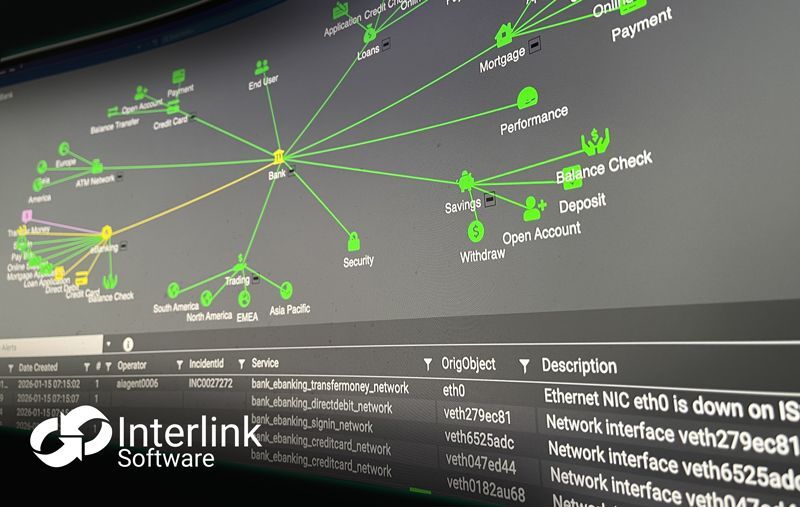
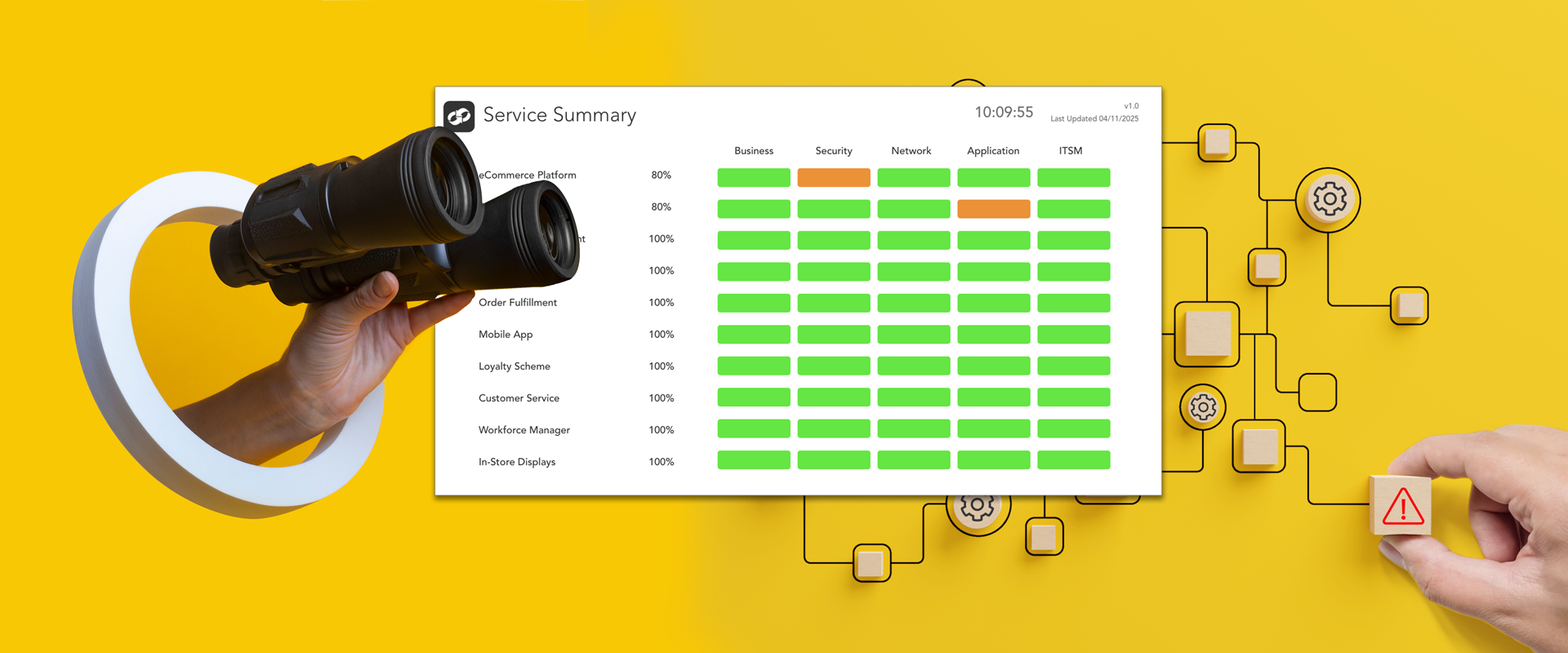
rather than individual technologies. Before deploying EIS, organizations should define which business services matter most, who owns them, and how success or degradation is measured. This ensures that impacting incidents are assessed and resolved in business priority order, not simply according to technical severity.
2. Prioritize Explainability Over Automation Hype
In regulated environments, “black-box AI” brings risk. Event Intelligence must provide clear, defensible explanations for why events are correlated, prioritized, or escalated. Explainable outcomes build operator trust, support audits and facilitate post-incident reviews. AI should assist IT Operations teams, not replace accountability with opaque decision-making.
3. Integrate First, Don’t Rip and Replace
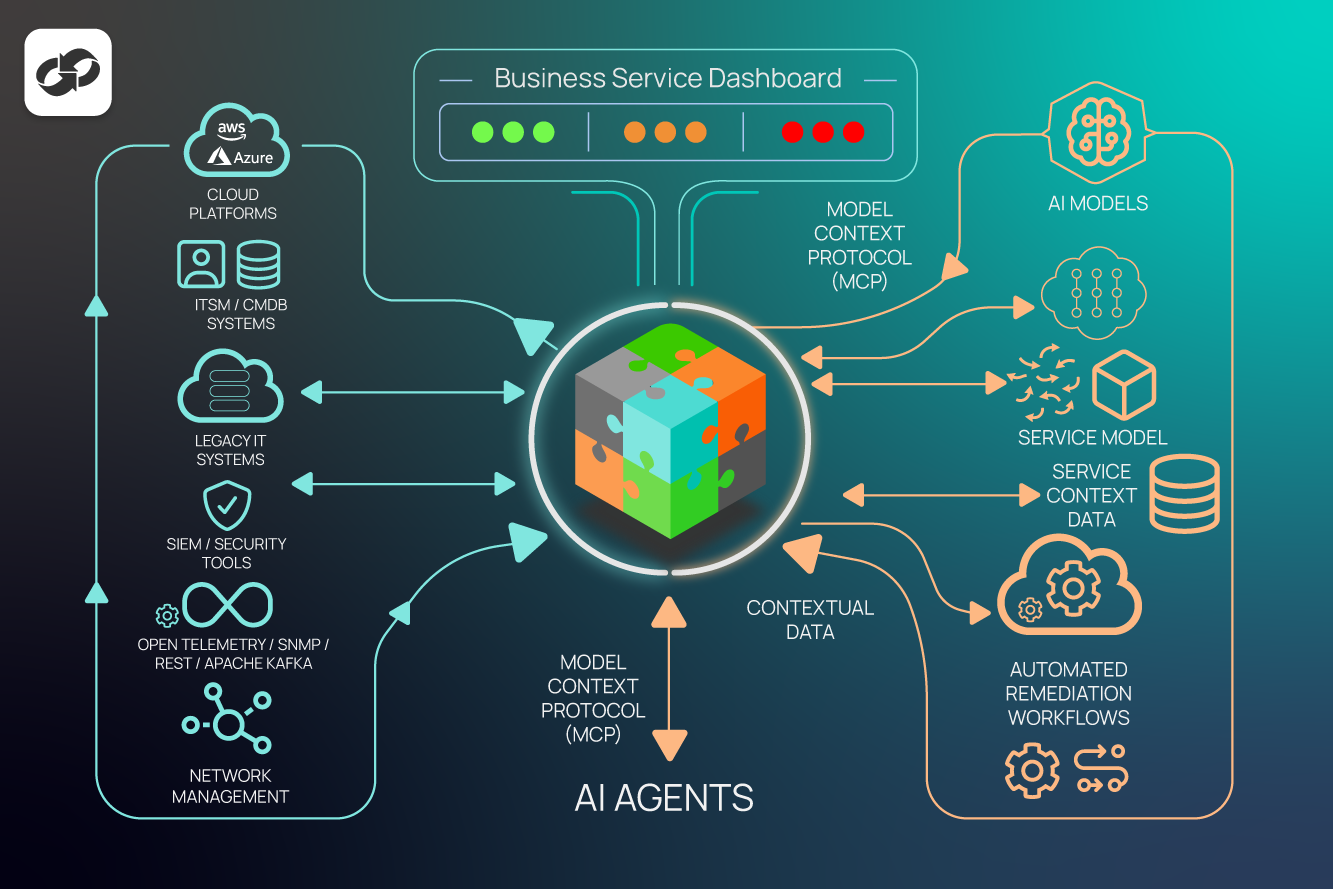
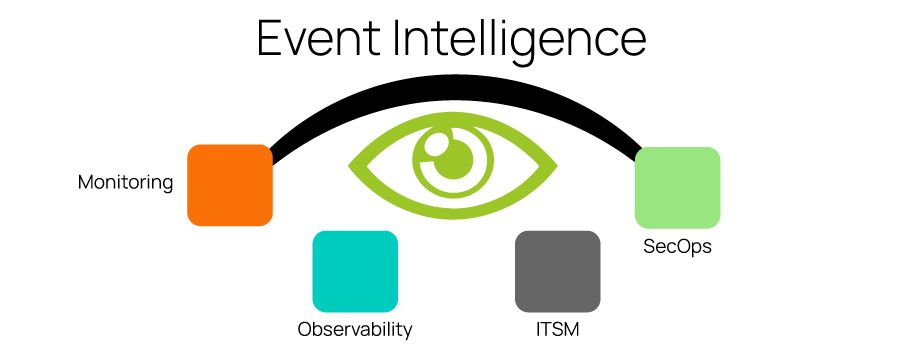
Event Intelligence works best as an overlay that sits above existing monitoring, observability, ITSM and security tools. Leveraging an organizations’ current tool investments avoids disruption, accelerates time to value and serves to prevent vendor lock-in. Successful EIS programs focus on integration gravity - pulling data together into a single, coherent business-aligned operational view.
4. Invest in Context: Topology, Ownership and Dependencies
Meaningful event correlation depends on context. Service topology, dependency mapping, ownership data and change information all enrich events and dramatically improve accuracy. Without this context, even the most advanced analytics will struggle to distinguish symptoms from true business service-impacting incidents.
5. Treat Event Intelligence as an Operational Discipline
Finally, Event Intelligence should be treated as a long-term capability, not a one-time deployment. This includes aligning people, processes and governance and your Important Business Services (IBS) around Operational Resilience regulations, standards and requirements set out by the Prudential Regulation Authority (PRA), European Banking Authority (EBA) or the Digital Operational Resilience Act (DORA). Continuous tuning, feedback and improvement are essential to maintaining accuracy as environments dynamically evolve.
To Conclude
For modern enterprises, Event Intelligence is not simply about reducing noise or accelerating response times. It is about running IT Operations with business intent, regulatory confidence and measurable outcomes.
When adopted thoughtfully, Event Intelligence becomes a foundational pillar of
Service Observability - enabling highly resilient, customer-focused operations in an ever-increasingly complex world.
With three decades of experience delivering Event Intelligence across complex, regulated environments, Interlink Software has consistently seen that these five best practices are critical to achieving successful, value-driven outcomes.
Links to previous related posts.
Part 1
-
Event Intelligence Solutions - A New Era for IT Operations
Part 2 -
Turning Event Intelligence into Action - Real-World Value for Financial Enterprises
Explore the Interlink platform below