Use AIOps to find answers to the question of ‘what can I automate?’
David Arrowsmith • May 29, 2020
Based on our interactions with buyers evaluating vendors in the AIOps market, much of what we’re hearing chimes with this quote -
“What will AI allow us to automate? We'll be able to automate everything that we can describe. The problem is: it's not clear what we can describe.”
Stephen Wolfram, computer scientist and physicist https://lexfridman.com/stephen-wolfram/

The capability of vendors to take any system with a digital pulse, slurp data from it and do something with that data (be it alerts, events or metrics based) is all well and good.
The key is not to get stuck ‘down in the weeds’, unable to visualize
that crucial linkage between the state of the components and the health of the business services that the nuts and bolts ultimately support. Being able to understand infrastructure component health in a business context can in turn help to describe and pinpoint where automation can be applied, thus tackling Stephen’s aforementioned conundrum.
We’ve heard of several AIOps vendors tying themselves in knots deploying elaborate algorithms down at the event level, often using black box, patented tech – much to the frustration of customers!
Without the benefit of the comprehensive, data-driven service modelling and event enrichment capabilities, you’re faced with one big capabilities gap. Working with large enterprises over the years we’ve arrived at a point where we’re aligned to the actual business needs of the organizations we work with.
Our service-centric approach and the service models that are born from it are primarily focussed on service availability. A typical Interlink deployment results in dramatically reduced volumes of auto-created incidents, combined with the grouping of events around service models.
We use a balanced scorecard approach to apply weightings to different monitoring perspectives, some event-driven, and some metric-driven. Interlink gives customers the flexibility to define monitoring perspectives and weightings.

This puts customers in a strong position to identify (based on business context) automation opportunities that will yield most value – supporting faster root cause analysis, avoidance of SLA breaches for example.

Discover how AI-driven observability combines trusted data and service context to help IT Operations teams prioritise issues and act with confidence.
Discover why Agentic AI needs an Enterprise Control Tower to unify operational data, add Business Service context and enable trusted, explainable automation.
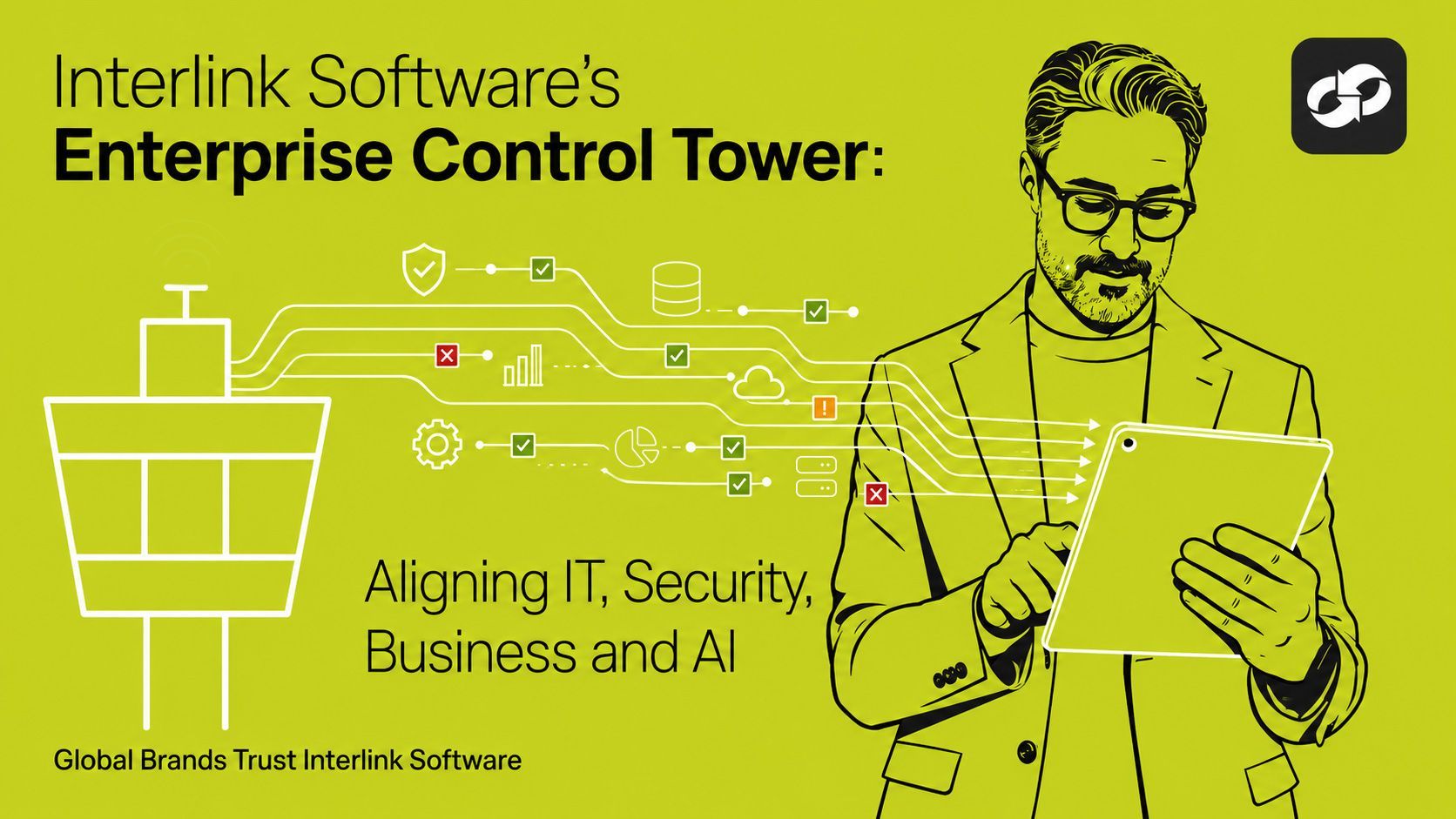
Explore how enterprise observability platforms support compliance, security monitoring, dashboards and AI-driven operations. Learn why modern IT teams are adopting enterprise control tower models with real-time visibility, explainable event intelligence and hybrid cloud observability.
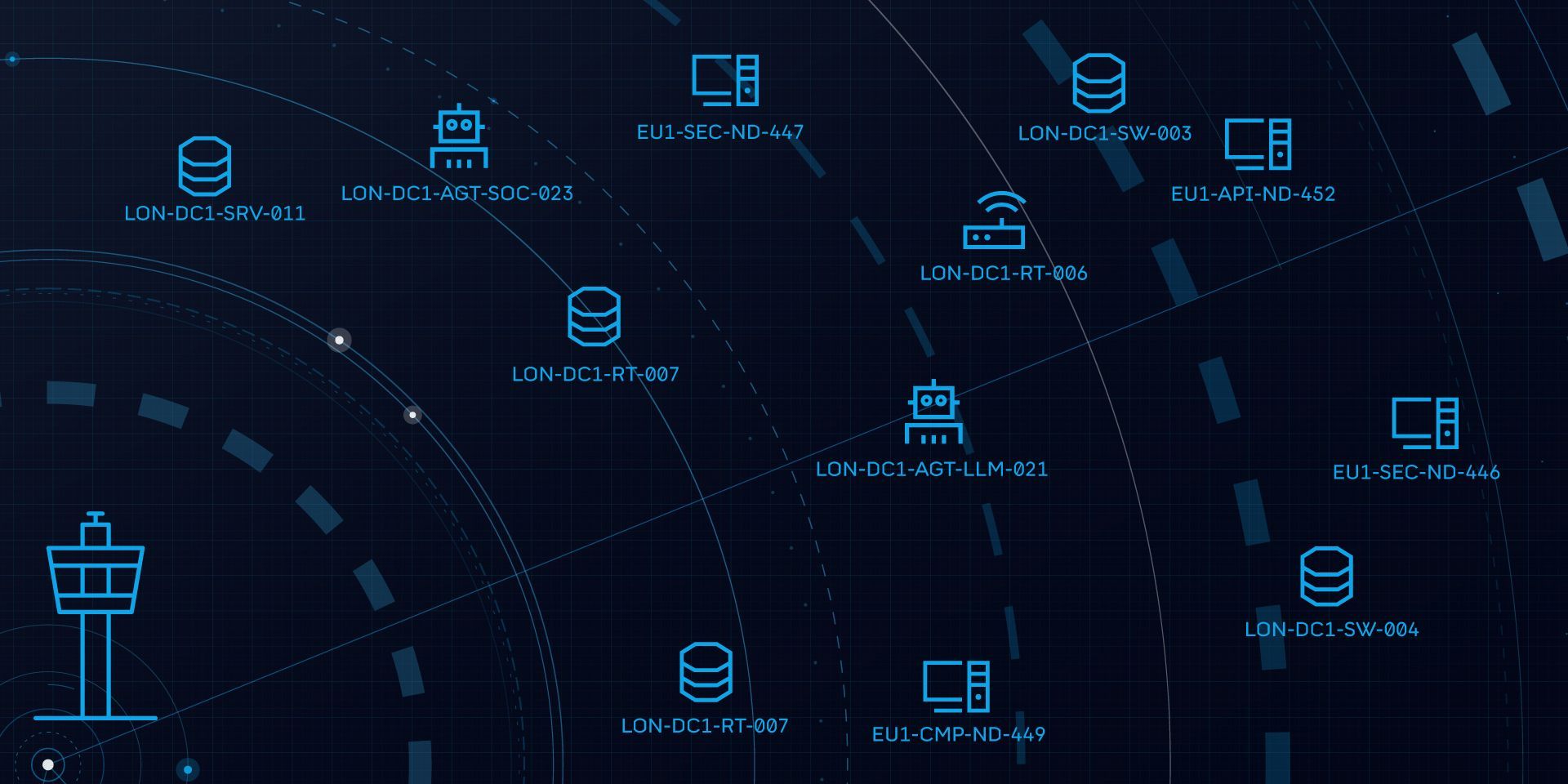
Features and benefits of Interlink Software as a best-in-class enterprise observability platform for complex IT environments?
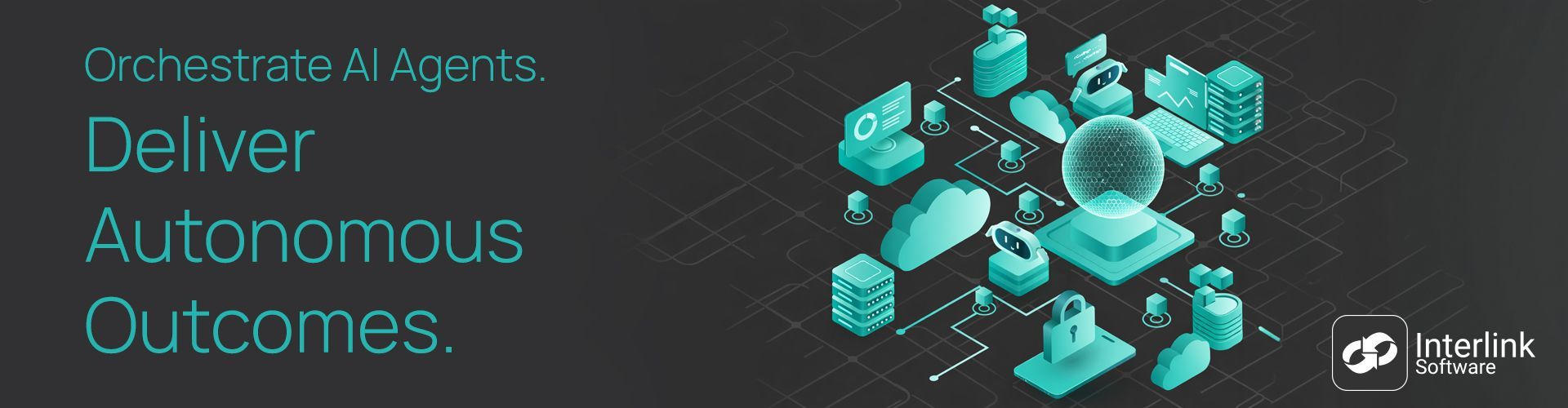
Orchestrate AI agents with Interlink’s Event Intelligence platform. Enable autonomous, service-aware IT operations with full visibility, governance, and control.
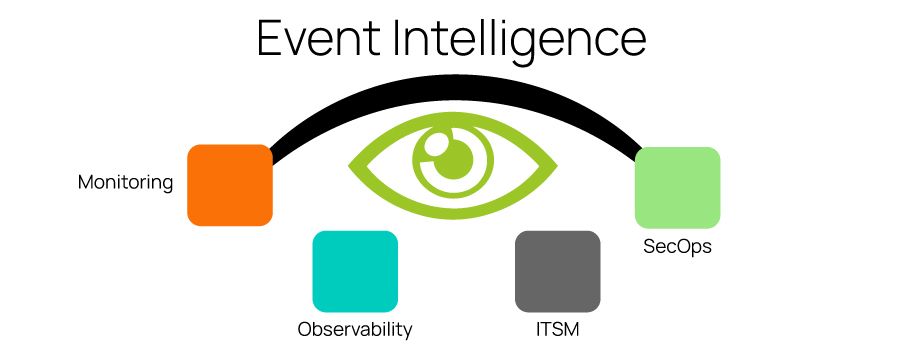
Discover five proven Event Intelligence best practices for banking and financial services—aligning IT operations with business services, regulatory demands and measurable outcomes.
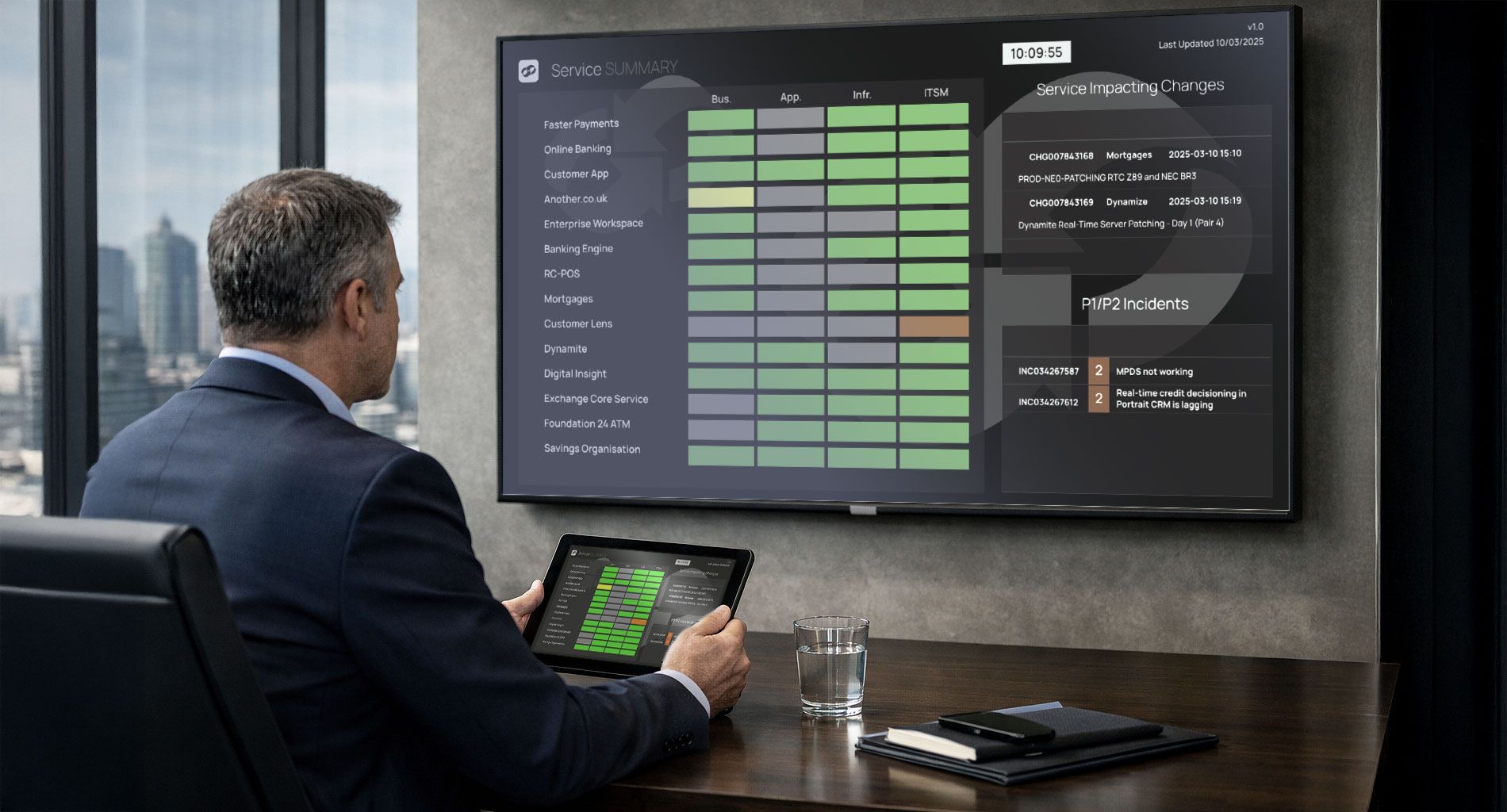
Event Intelligence Solutions are redefining how organizations manage complexity and risk across digital ecosystems. Their true power lies not only in detecting anomalies or suppressing noise, but in providing actionable, explainable intelligence that connects IT events to business impact.
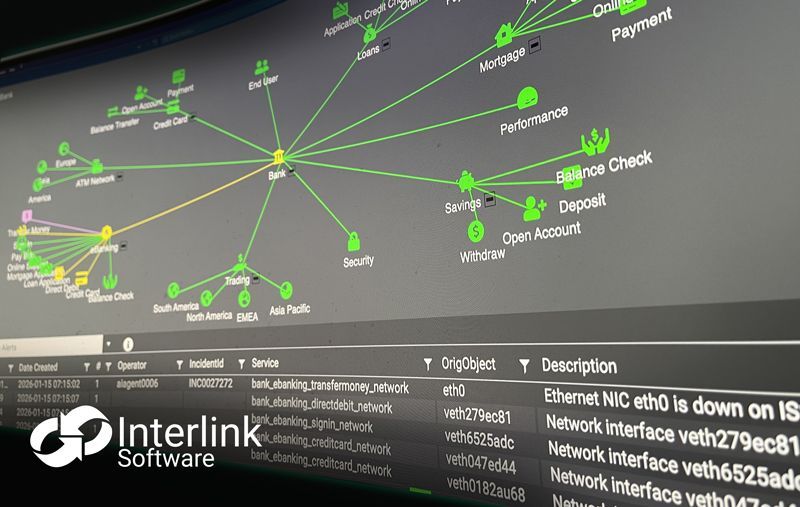
Event Intelligence Solutions use AI to correlate events, cut noise, and protect critical services—helping enterprises act faster and ensure resilience.
Unified Observability gives enterprises a single view of complex hybrid IT, cutting noise, improving insight and service.
Learn how an intelligent data fabric unifies machine data, strengthens security and delivers timely insight to improve resilience and decision-making