Why Agentic AI Needs an Enterprise Control Tower
AI is changing IT Operations, propelling faster incident investigation and event correlation to automated recommendations and remediation.
But as organizations introduce more AI into operational processes, an important question emerges: what information is AI actually leveraging to make those decisions?
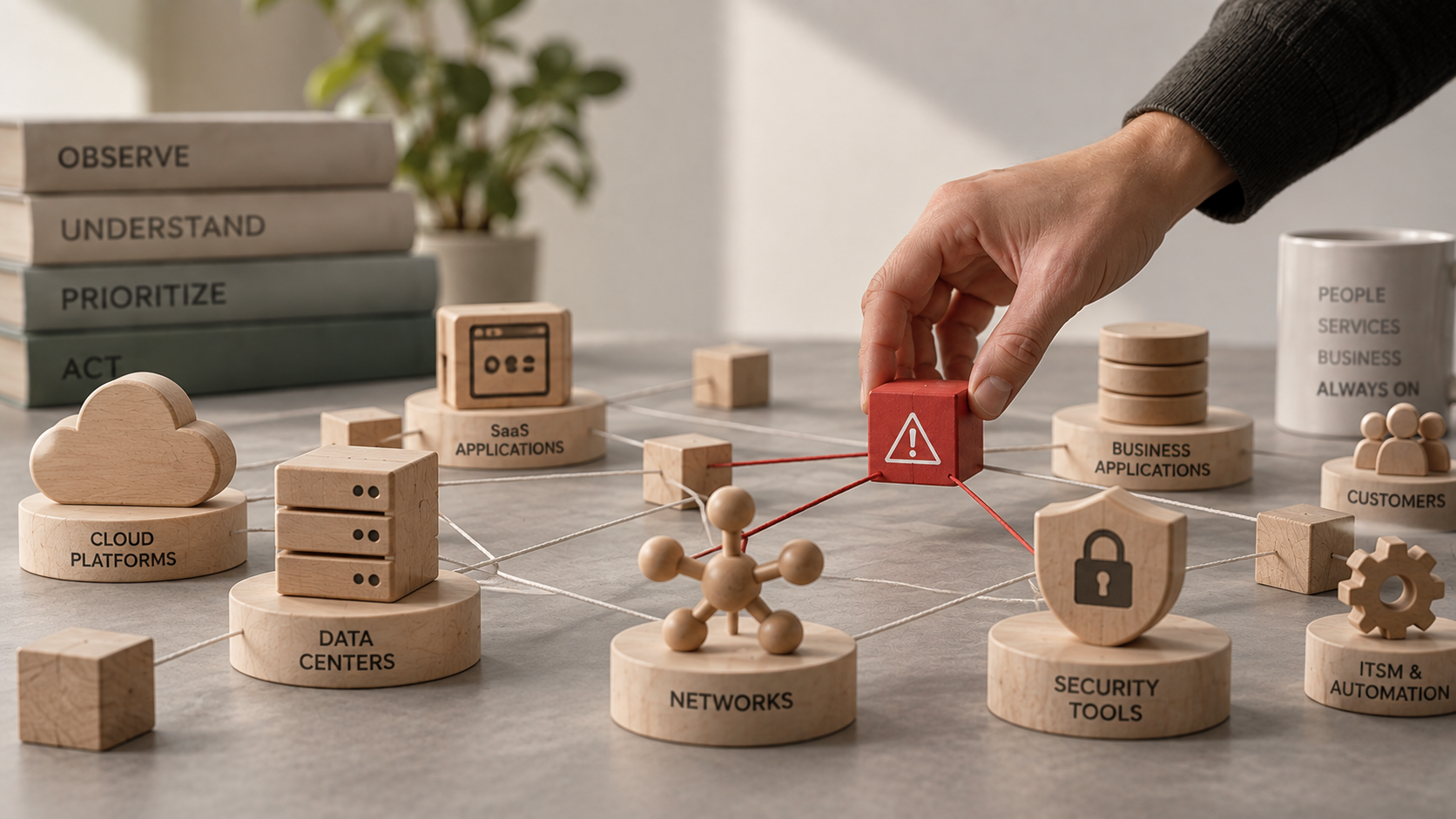
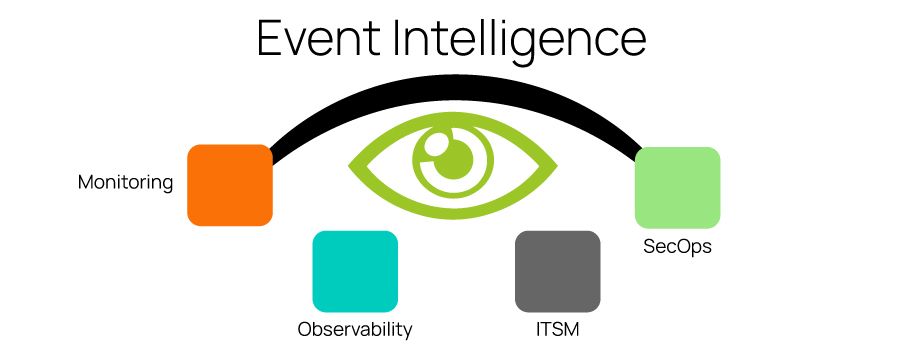
Large enterprises typically span cloud, on-premises infrastructure, networks, applications, security systems, ITSM platforms and other specialist technologies, typically deploying a diverse mix of monitoring and observability systems to keep watch over their health. Almost inevitably, different teams will see different parts of the operational picture.
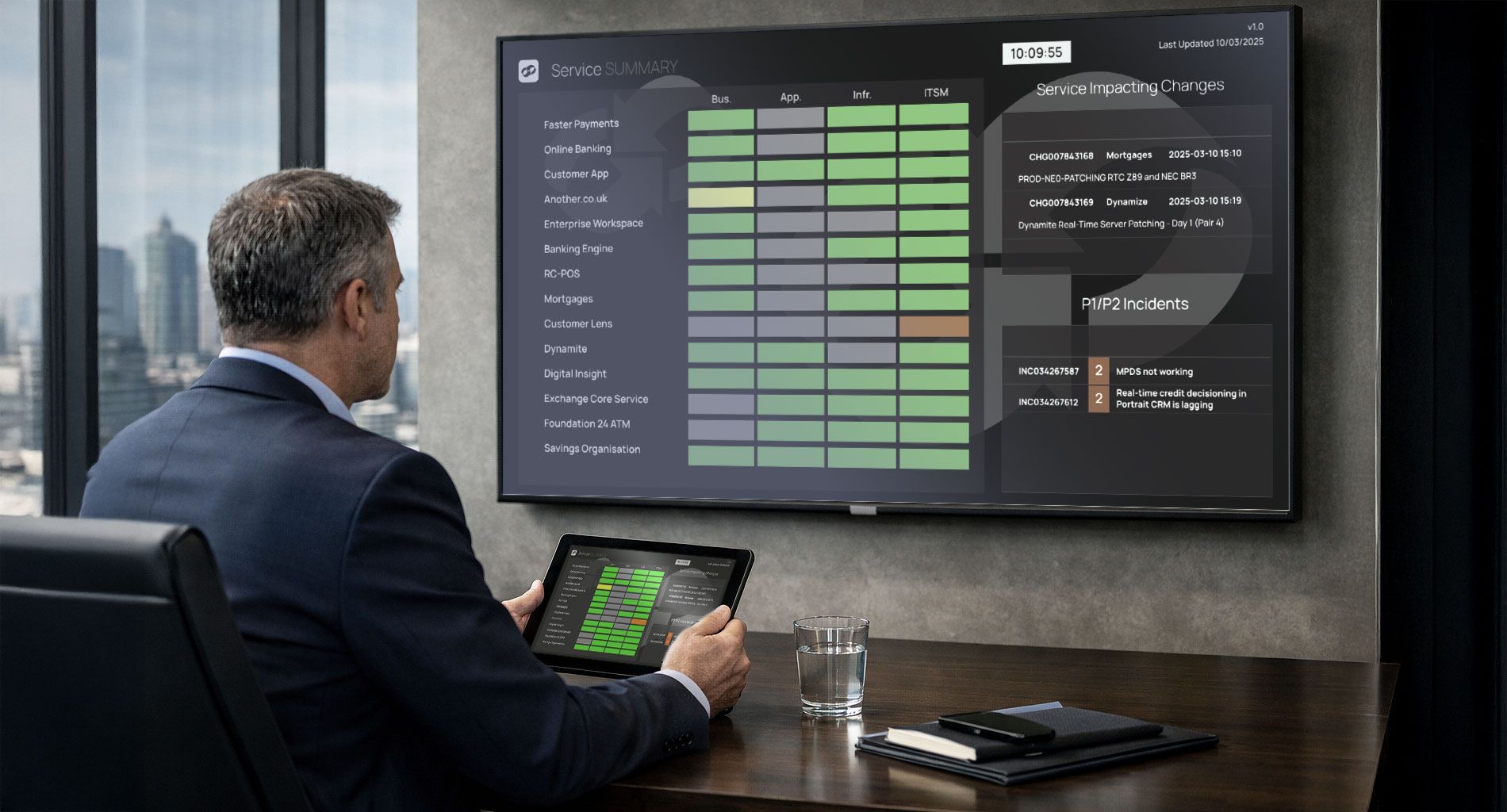
For AI, that fragmentation has a bearing on matters. An AI assistant may be able to identify an infrastructure problem. A more valuable operational capability is one that can also determine which Business Service is affected, understand its dependencies, assess the likely impact and help identify the appropriate response.
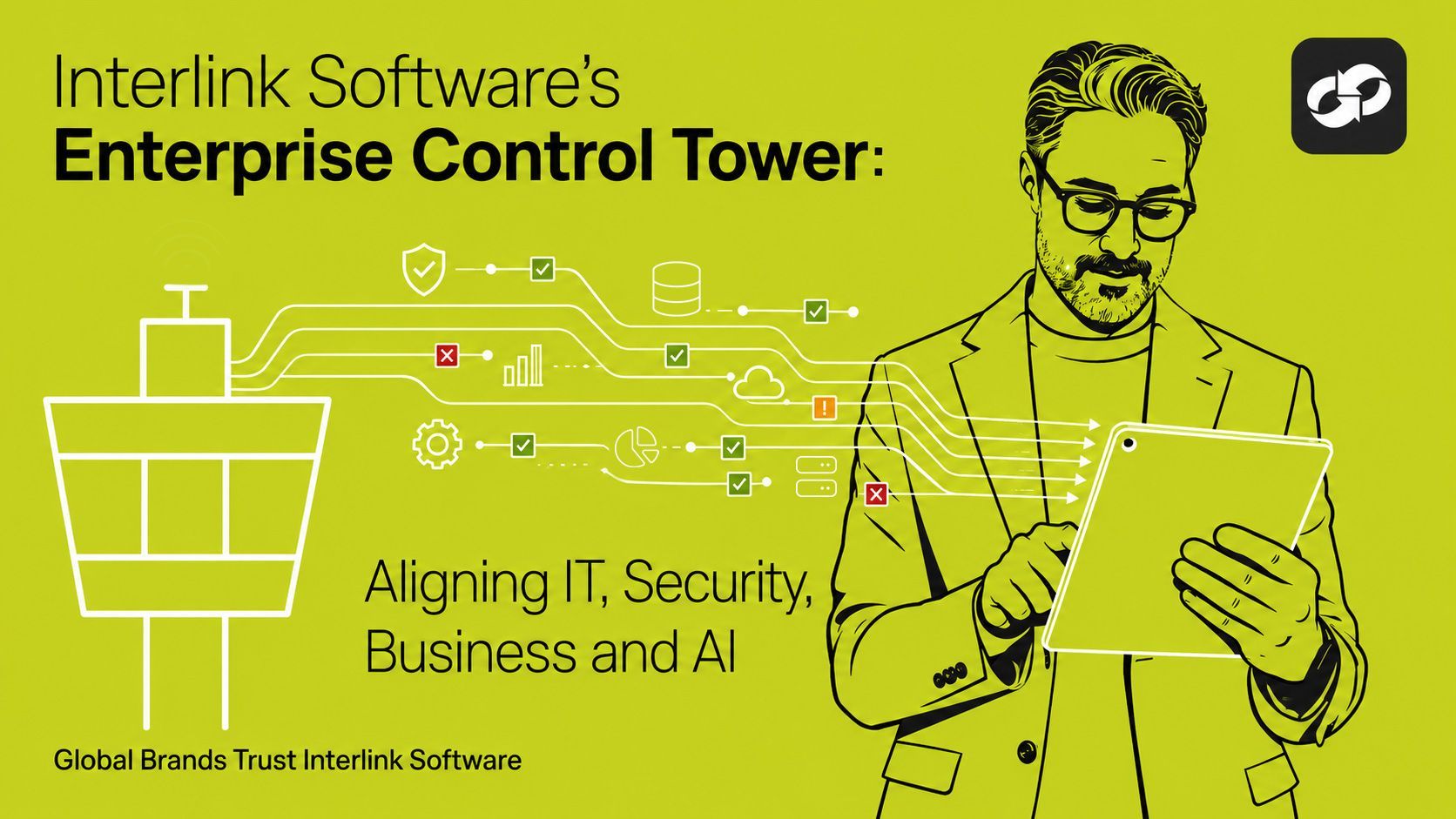
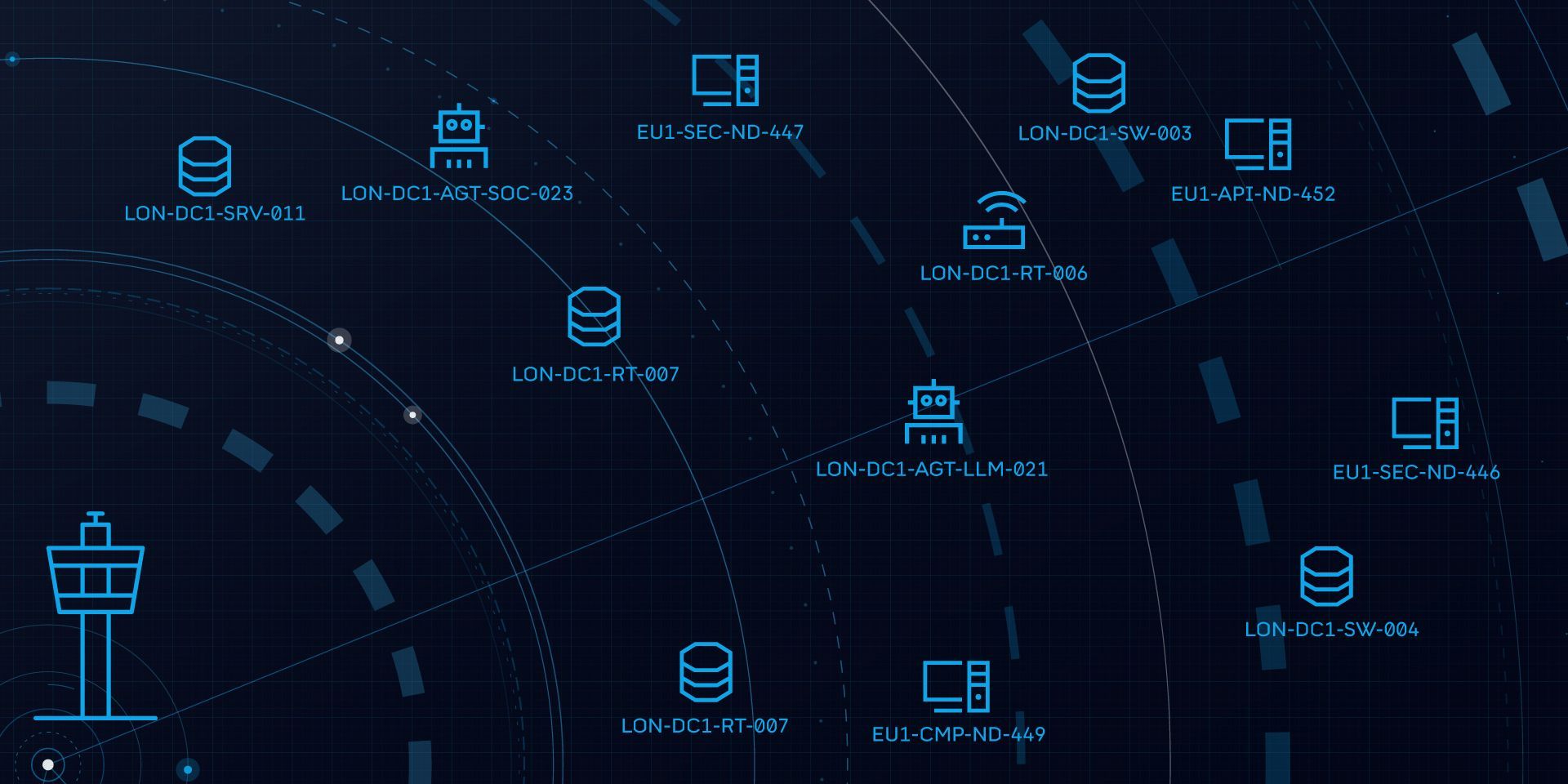
The role of the Enterprise Control Tower.
Rather than introducing another dashboard, an Enterprise Control Tower provides a common operational intelligence layer across existing technologies. It brings together monitoring, observability, security, ITSM and other operational data, and in turn applies service context enabling teams to truly understand what technical events mean for the services the organization delivers.
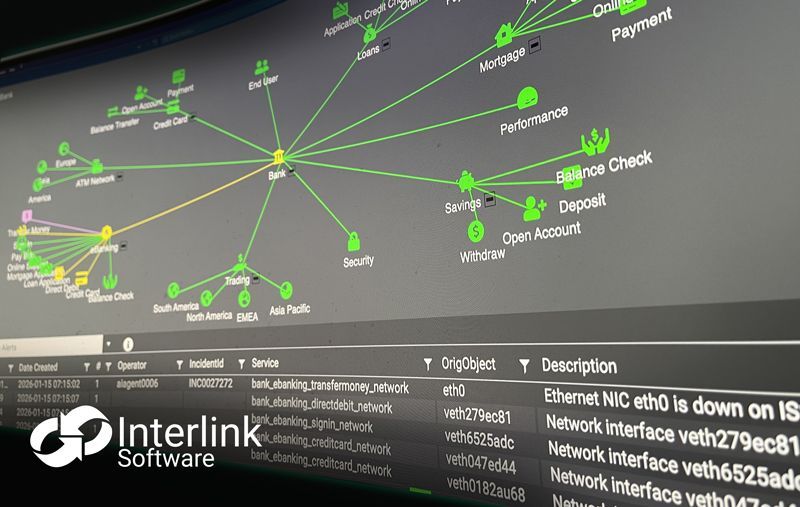
For Interlink Software, this combines Business Service Observability with Explainable Event Intelligence. Machine learning, temporal processing, fuzzy matching and knowledge graphs help correlate related signals, reduce background noise and identify relationships that might otherwise remain obscured from view.
Importantly, such insights also provide a stronger foundation for Agentic AI.
AI agents can potentially investigate incidents, enrich tickets, recommend actions, orchestrate workflows and trigger approved remediation. But increased autonomy also increases the importance of trust. Agents need current operational data, meaningful service context and clearly defined rules and controls.
The Enterprise Control Tower helps provide that foundation while working with existing enterprise investments rather than requiring organisations to replace them. Interlink acts as a vendor-neutral layer across established monitoring, observability, SIEM, ITSM and automation tools.
The result is a coherent, shared operational picture for all - from IT Operations and SecOps through to DevOps, SRE, service owners and business stakeholders.
As AI takes on a greater operational role, the objective should not simply be more automation. It should be better-informed, explainable and controlled action.
The Enterprise Control Tower serves to connect technology signals to Business Services, giving people, workflows and AI the context needed to act with greater confidence, underwritten by trust.
Read the full article