AI Observability Needs More Than AI
AI is rapidly becoming a bigger part of how IT Operations teams detect incidents, interpret signals and decide what to do next.
But better algorithms alone will not deliver better operational outcomes. The quality, context and reliability of the data feeding those systems remain just as important.
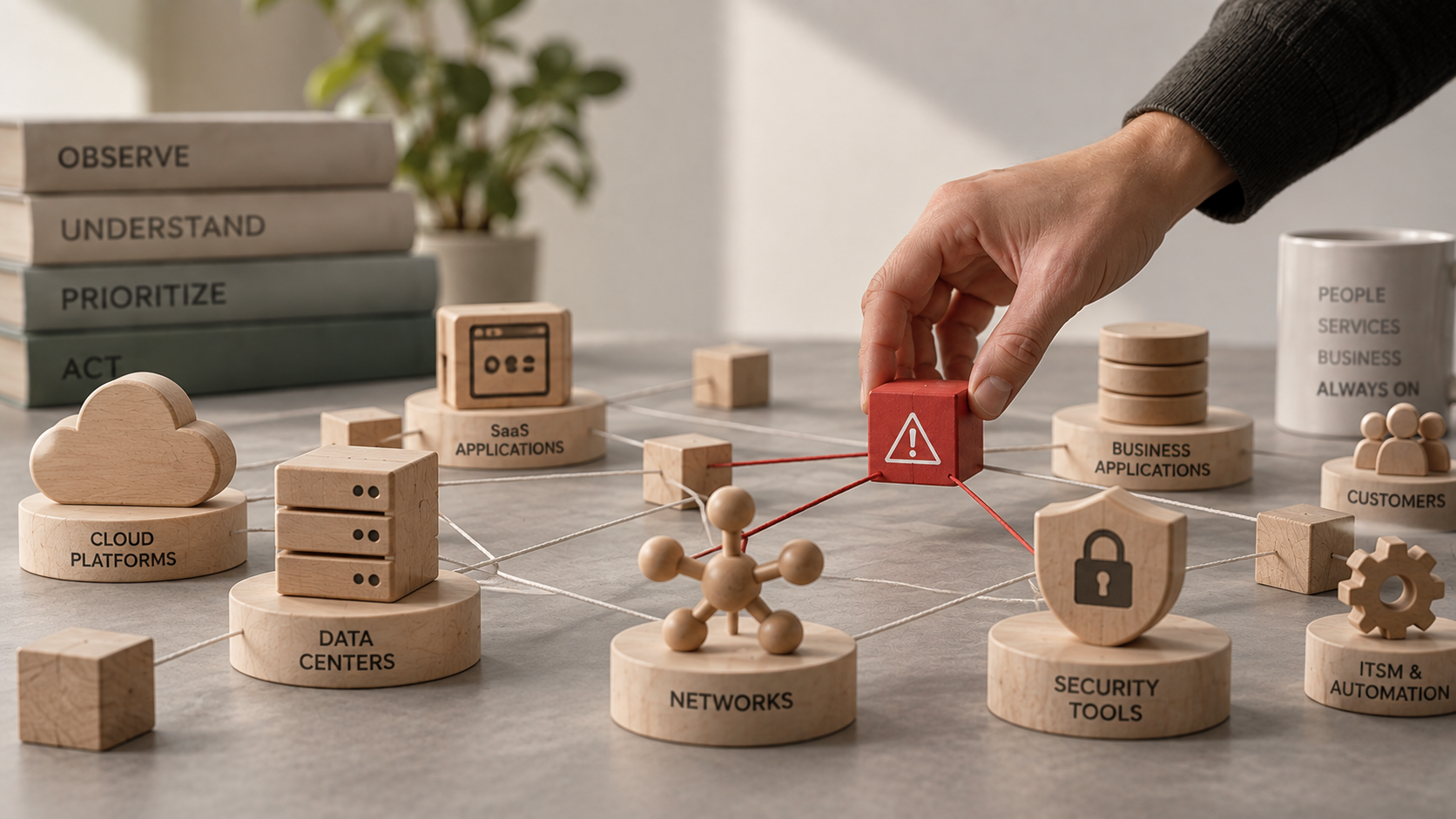
Large enterprise IT environments are complex. Cloud platforms, data centers, SaaS applications, networks, security tools and specialist business systems all generate enormous volumes of operational data.
The challenge is not simply collecting more of it. It is turning that data into trusted insight that reflects what the business actually needs to maintain optimal service health.
Traditional observability provides an essential technical view through logs, metrics and traces. AI can build on those signals to identify abnormal behavior, correlate related events and highlight likely causes. But technical insight on its own does not always answer the questions that matter most.
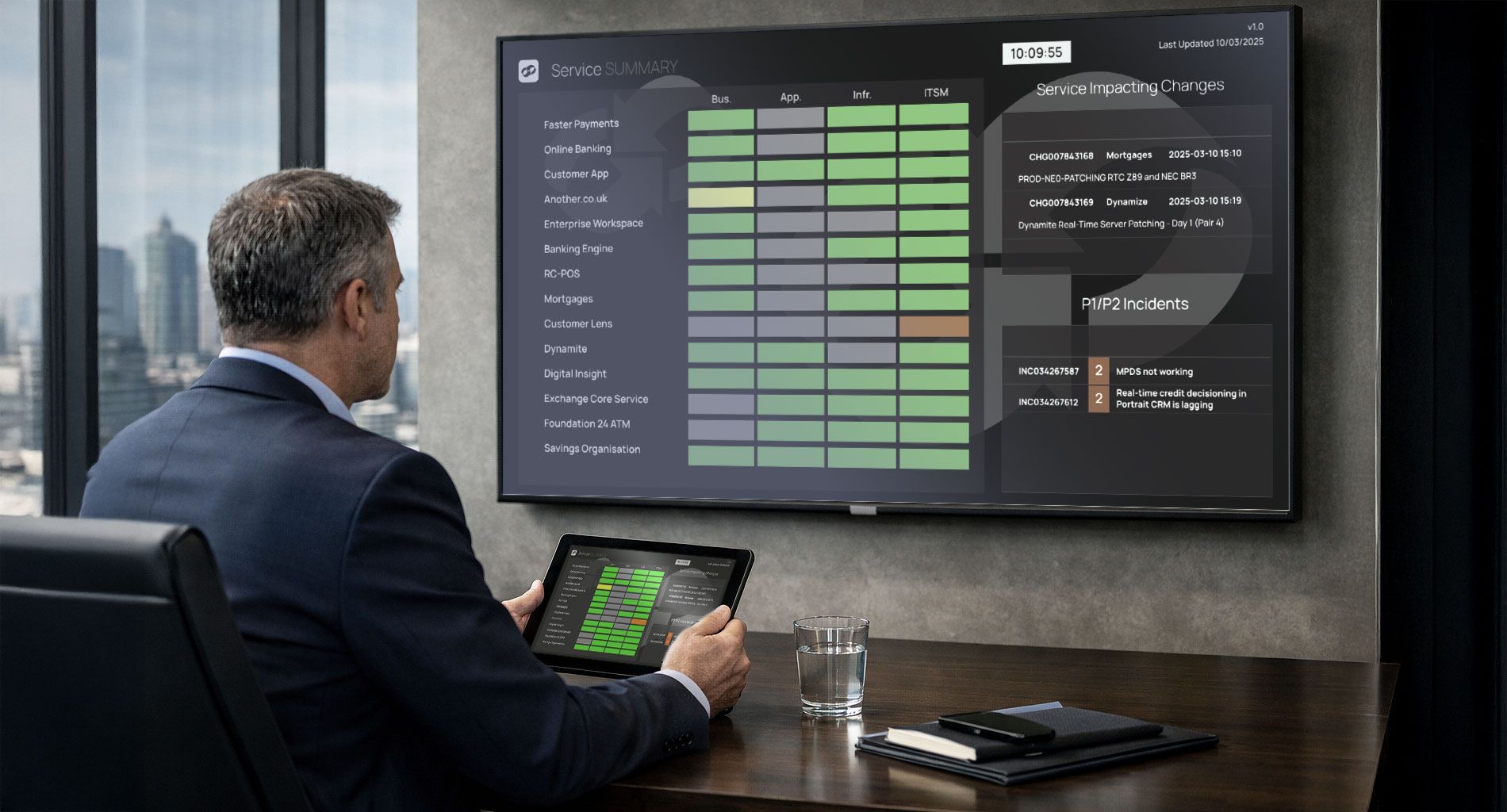
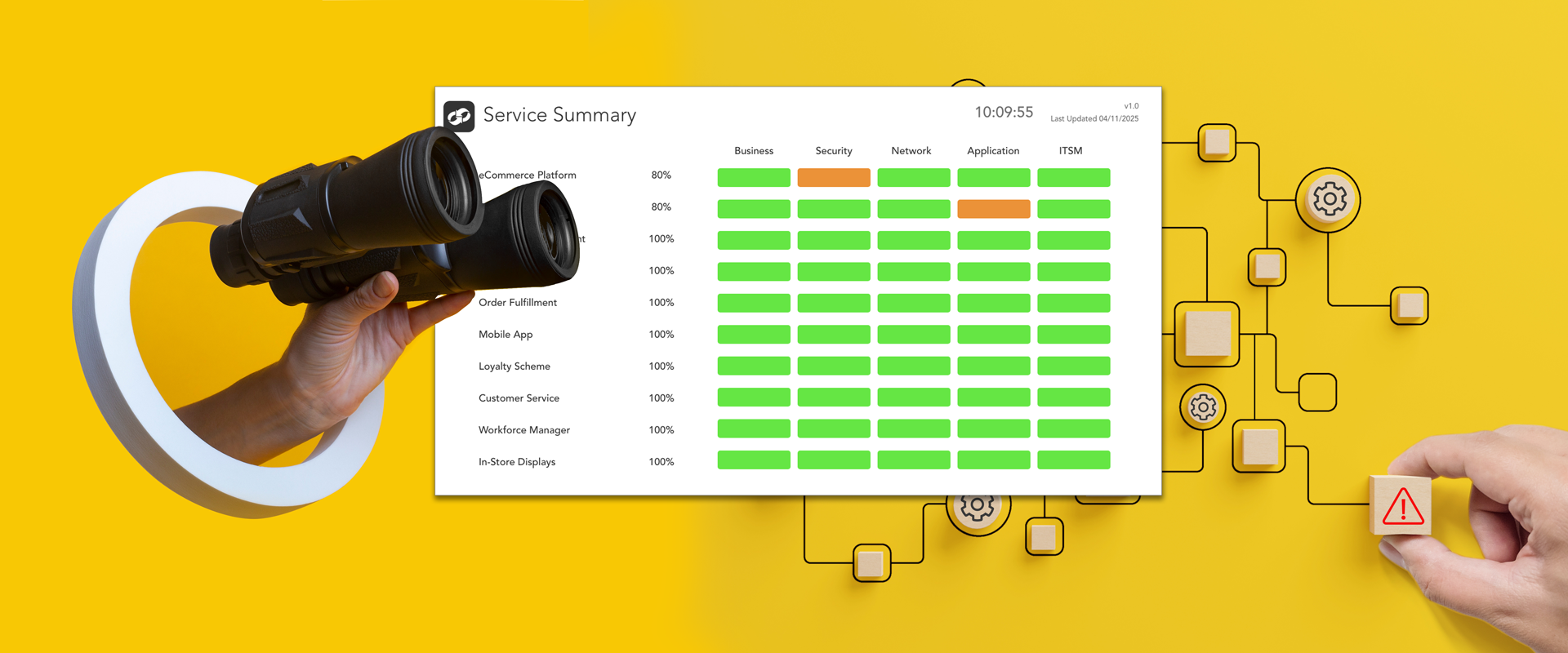
A business’s end customer does not see or care about a CPU spike or failed process. They simply care about whether a service works! They experience a payment transfer that will not complete, a flight booking process that stops working or an online retail service that becomes unavailable. IT teams therefore need to understand not only what has fallen over or changed, where dependencies lie, which Business Service is affected, how serious the impact is and what should be prioritized.
Where Service Observability strengthens the value of AI.
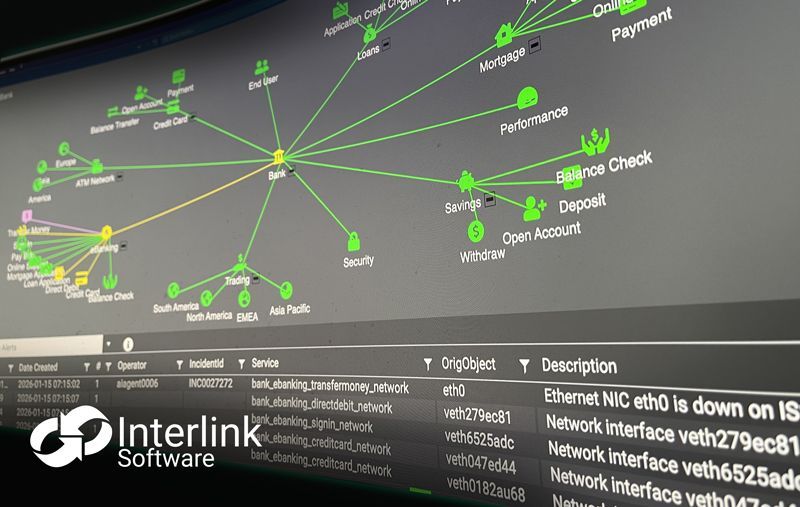
By connecting technical signals to service dependencies and business context, AI-driven observability can become more operationally useful. Machine learning, fuzzy matching, temporal processing, service models and knowledge graphs can help identify relationships across tools and domains, while
Explainable Event Intelligence gives teams greater confidence in why incidents are being grouped, prioritized or escazlated.
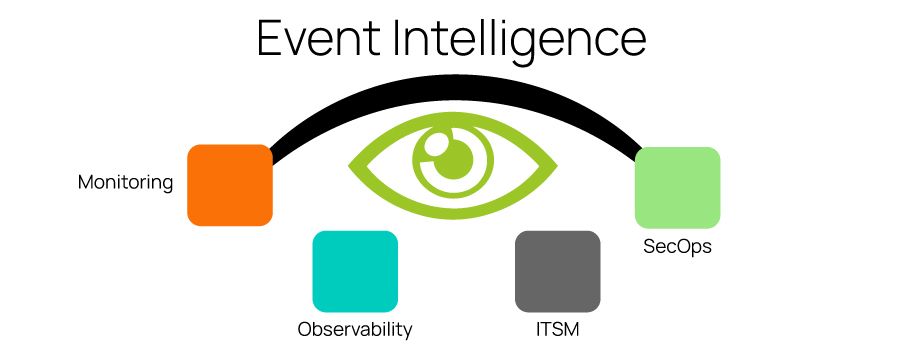
Interlink Software approaches this through a vendor-neutral operational intelligence layer that sits above or alongside existing monitoring, observability, ITSM, SIEM and automation investments. Rather than replacing established tools, Interlink brings their data together, correlates it in real time and adds the service-aware context needed by people, workflows and AI.
As AI assistants and agents take on more investigative and operational tasks, that foundation becomes even more important. Recommendations, automated workflows and remediation need trusted data, clear service context and appropriate controls.
AI can help IT Operations move faster. The real value comes when it also helps teams understand impact, prioritize correctly and act with confidence.
That combination is what turns observability data from a technical resource into a trusted, dependable operational intelligence foundation for the enterprise.
Speak to use today about Interlink's Enterprise Control Tower for AI-Ready IT Operations