Why AI-Ready IT Operations Need More Than a Traditional CMDB Now?
Configuration Management Databases (CMDBs) have long played an important role in IT Service Management, providing a structured record of technology assets, their configurations and relationships. For enterprises managing complex IT environments, they remain a valuable foundation for understanding infrastructure and supporting operational processes.
However, as organizations increasingly look toward AI-enabled IT Operations, the limitations of relying on CMDB information alone become more apparent.
A CMDB can identify which infrastructure components support a particular application or service, but it may not accurately reflect what is happening across those components at any given moment. Configuration data can also become outdated as environments change, particularly across hybrid infrastructure, cloud platforms and interconnected technologies.
Understanding the current condition of a business service requires more than an inventory of its constituent parts.
Connecting service models with operational reality
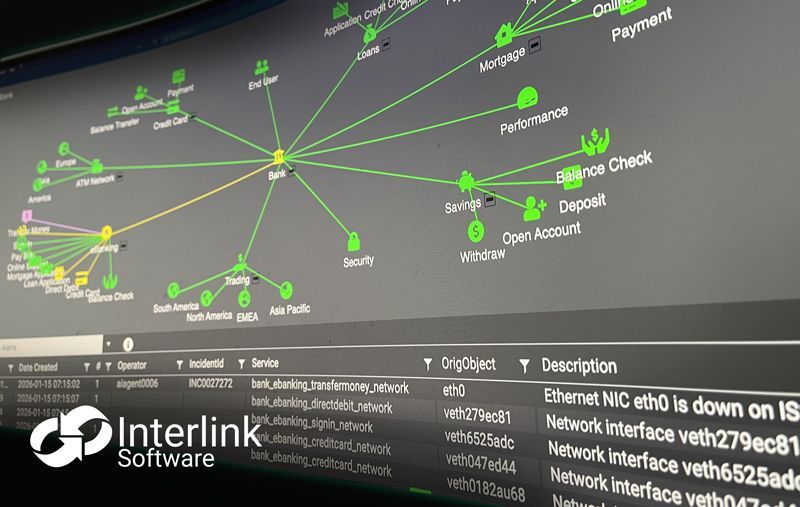
Consider an enterprise banking application supported by multiple databases, networks, middleware and cloud services. A CMDB may document these dependencies, but identifying which technical events are affecting customer transactions requires additional operational intelligence.
Monitoring and observability platforms generate the evidence needed to understand infrastructure and application behavior. However, much of this information remains distributed across different tools, each providing a particular view of the environment.
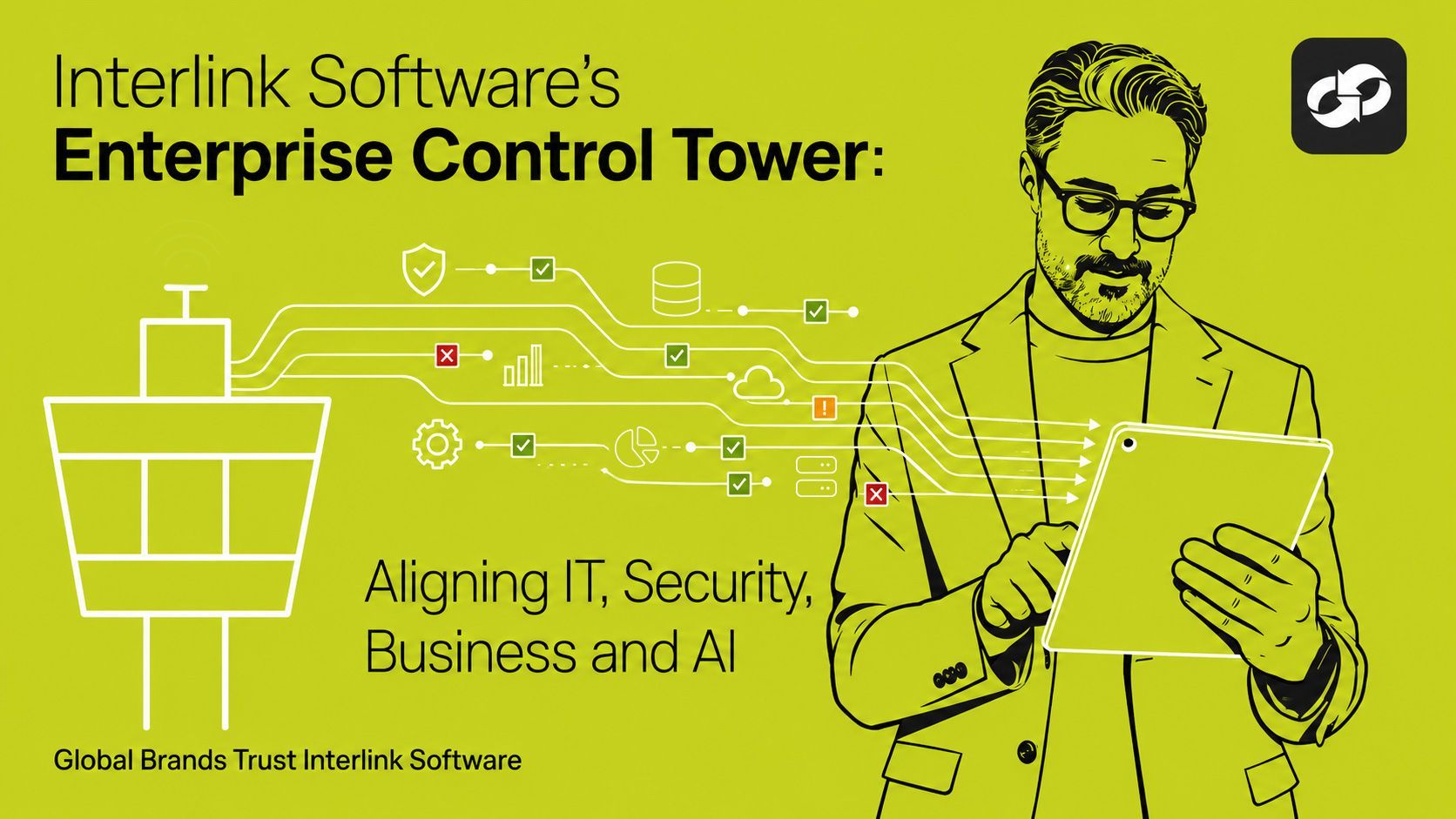
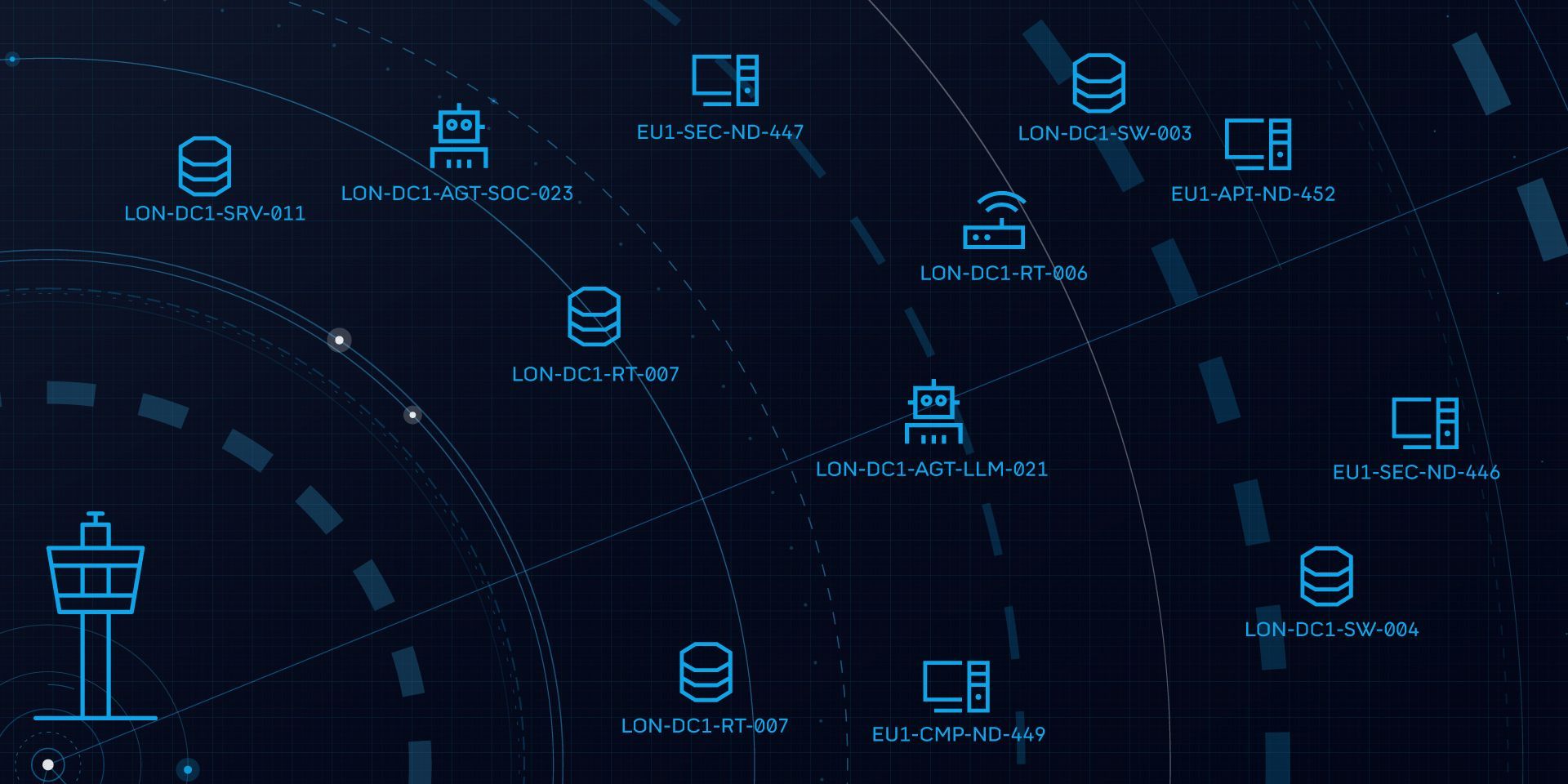
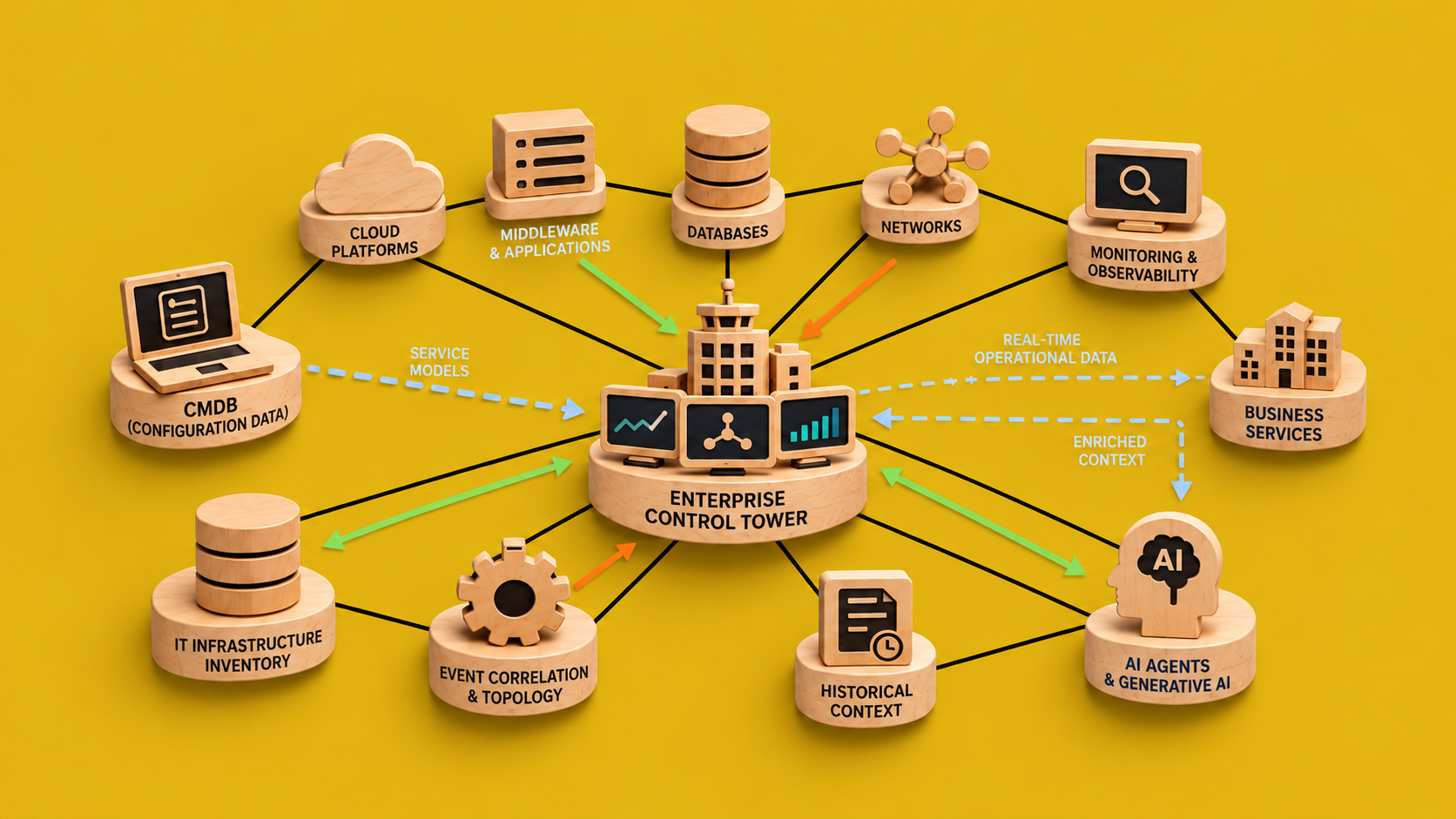
An Enterprise Control Tower approach brings these information sources together through a vendor-neutral operational intelligence layer. Combining telemetry with service models, topology, event correlation and historical context creates a more complete, continuously updated understanding of business service health.
This consolidated intelligence can also complement and enrich CMDB information, helping organizations maintain a more accurate representation of service relationships and dependencies.
Preparing operational data for AI
The need for accurate service context becomes particularly significant when organizations introduce Generative AI and AI Agents into operational workflows.
An AI system analyzing isolated alerts may recognize a technical problem without understanding its implications for a business service. Providing trusted information about service dependencies, current conditions and previous incidents gives AI a stronger basis for reasoning, recommendations and automated action.
For organizations developing AI-ready IT Operations, the objective is not to replace the CMDB or established observability capabilities. It is to connect these investments through a unified intelligence layer that reflects how complete business services are performing.
The quality of that operational context will increasingly influence how effectively people, workflows and AI can identify risks, prioritize incidents and protect business service availability.