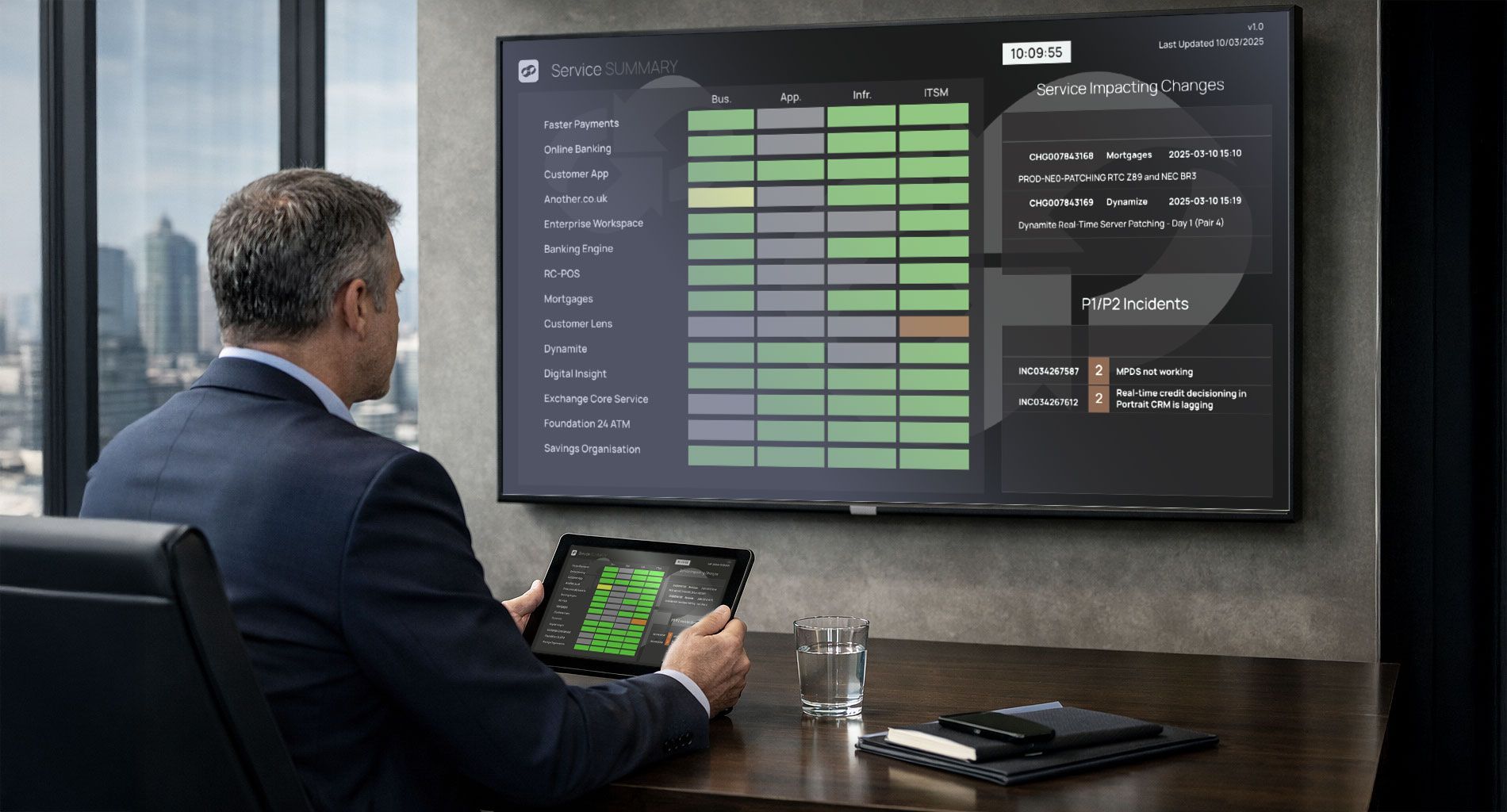
From Alert to Business Impact: Smarter IT Incident Prioritization
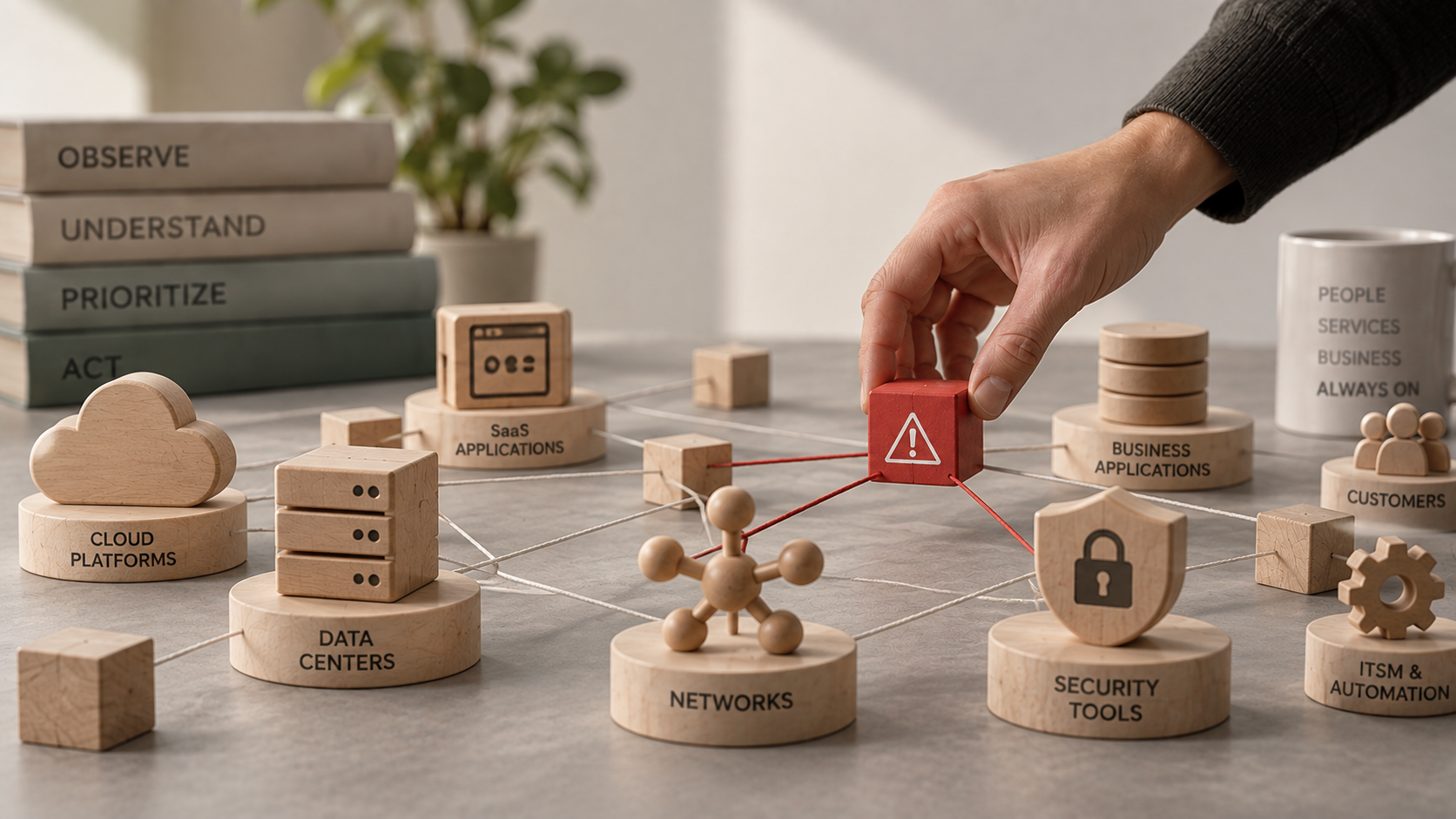
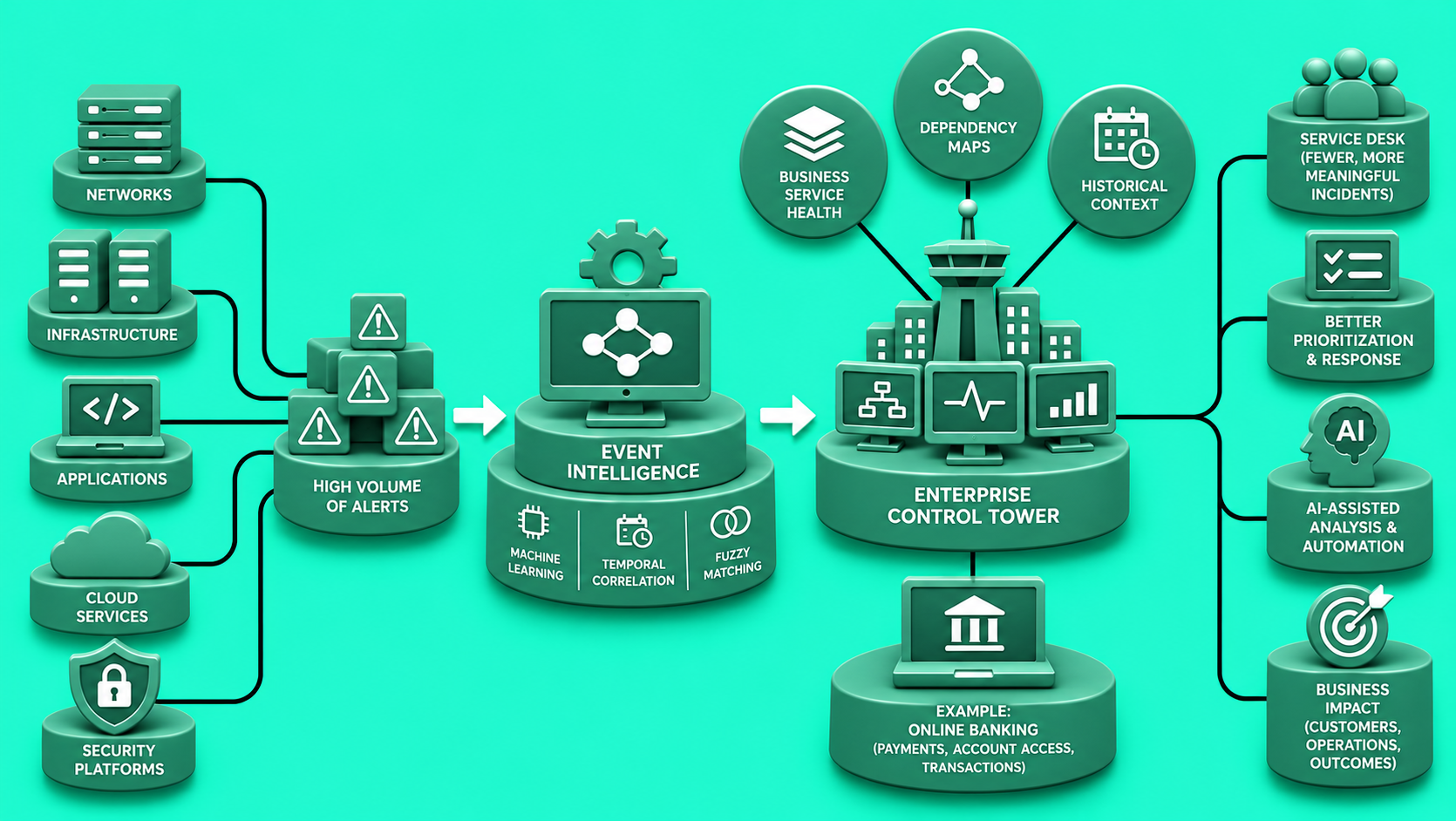
Large enterprise IT environments generate substantial volumes of monitoring and observability data. Networks, infrastructure, applications, cloud services and security platforms continuously report on performance, availability and changes in operating conditions.
While this information is essential for identifying technical issues, the volume and fragmentation of events can make incident management increasingly difficult.
A single infrastructure problem may generate dozens or hundreds of related alerts across different systems. Without effective correlation, operations teams can find themselves investigating multiple symptoms of the same underlying issue, creating unnecessary work and potentially delaying resolution.
Traditional approaches to prioritization often depend heavily on predefined technical severity levels. However, the severity assigned to an individual alert does not necessarily indicate its importance to the business.
A relatively minor technical event affecting a critical payment processing service may warrant greater attention than a more severe infrastructure alert with little immediate customer impact.
Moving beyond individual alerts
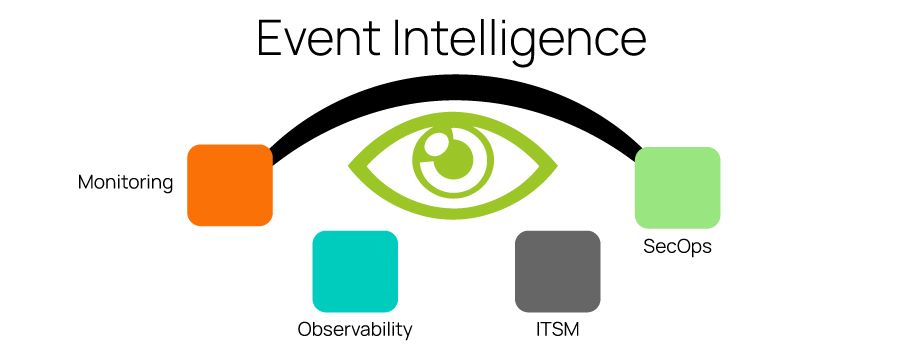
Event Intelligence provides a more informed approach by consolidating operational signals from multiple sources and identifying meaningful relationships between them.
Techniques including machine learning, temporal correlation and fuzzy matching help recognize related events, reduce duplicates and identify patterns that might otherwise remain hidden within large volumes of monitoring data.
Instead of treating each alert independently, operations teams can establish a clearer picture of the underlying incident and its potential consequences.
However, correlation alone does not establish business importance.
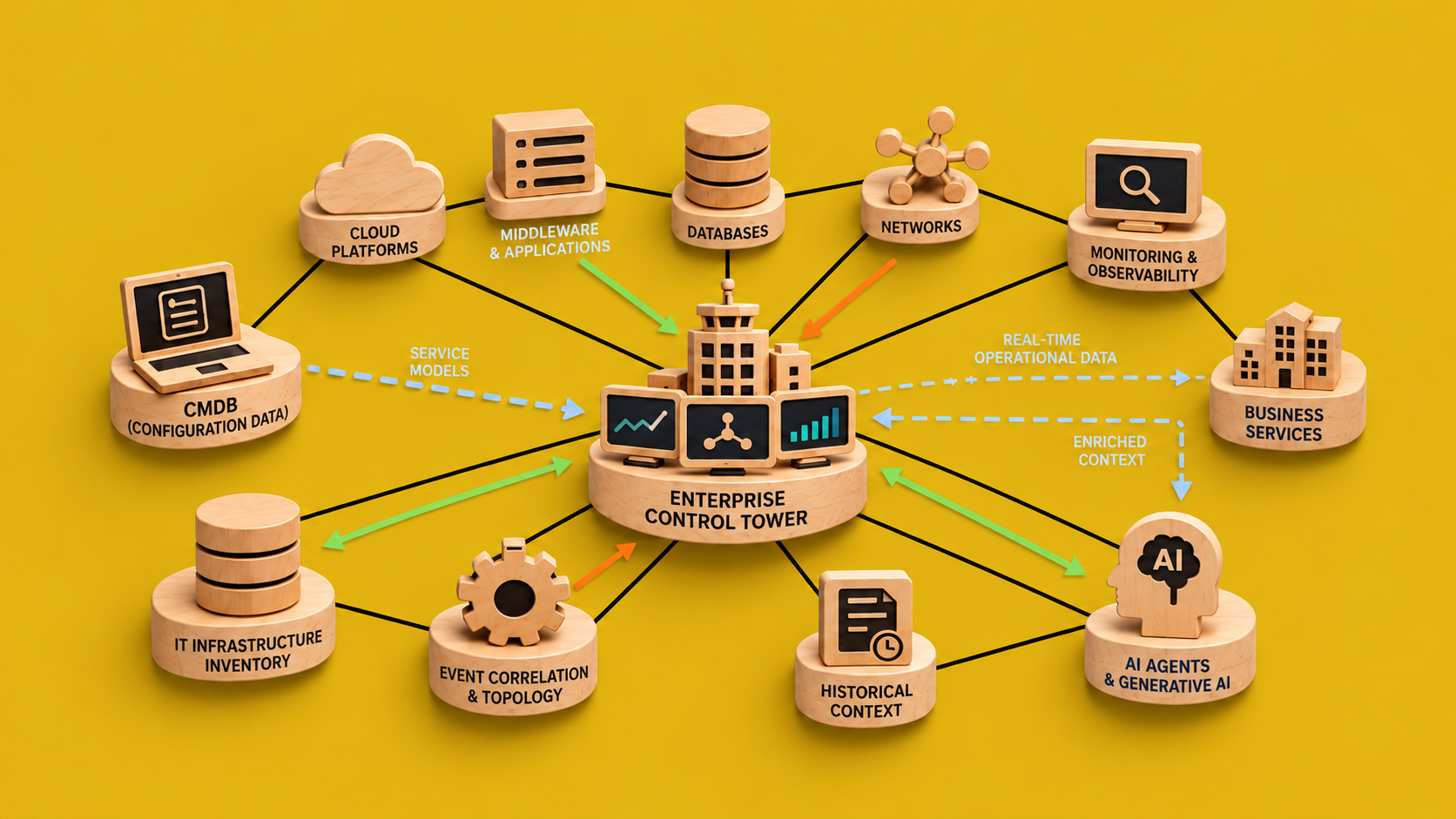
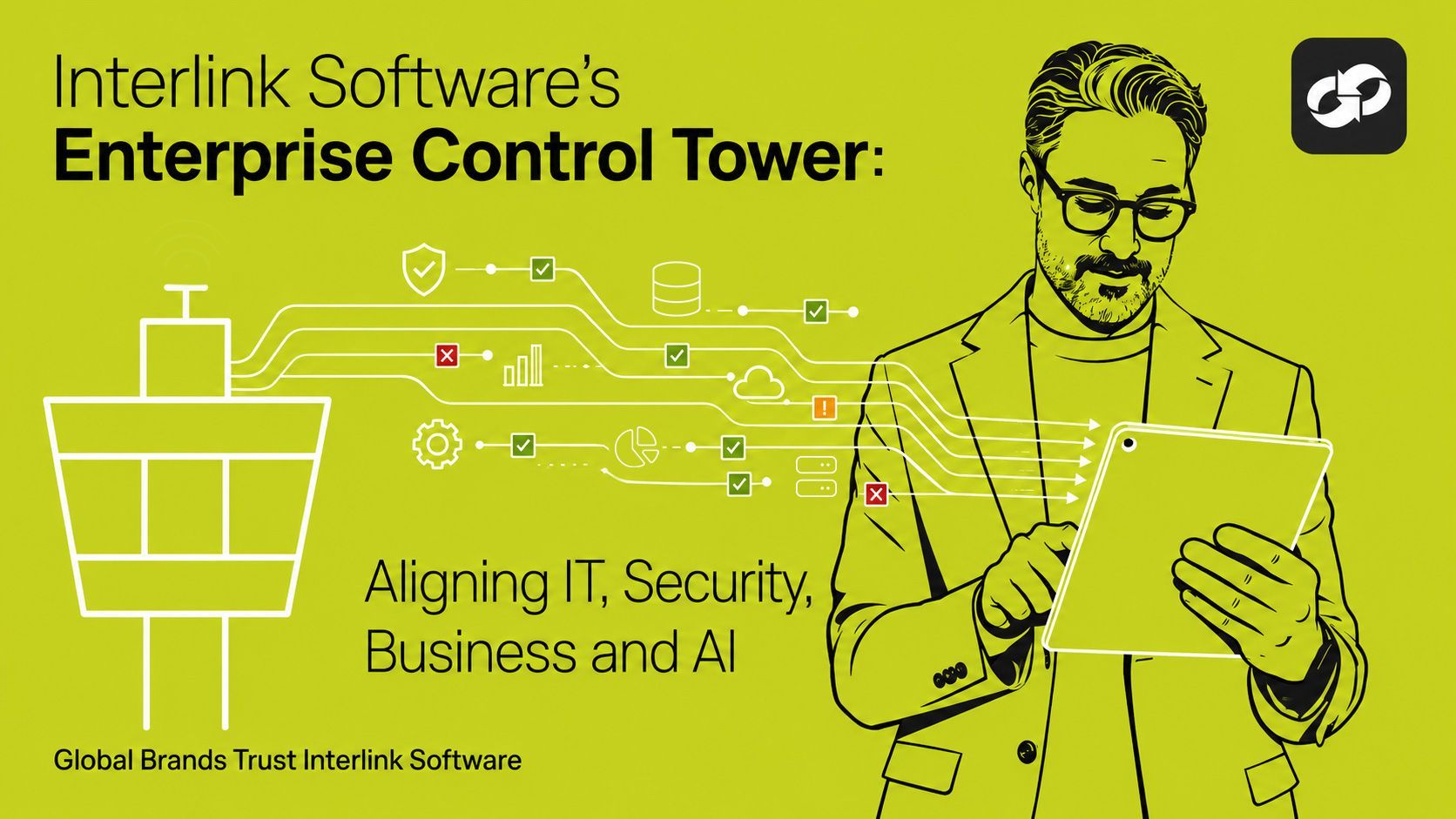
An Enterprise Control Tower approach extends this intelligence by connecting events with real-time business service health, dependency maps and historical context. This unified view helps organizations understand how technical issues affect complete services rather than isolated infrastructure components.
For example, an infrastructure issue affecting an online banking platform can be assessed in relation to customer-facing functions such as payments, account access or transaction processing.
Better intelligence for better decisions
Enriching incidents with business service context, topology and historical information improves the quality of data entering ITSM workflows.
Service desks receive fewer, more meaningful incidents, while operations teams have a stronger basis for prioritization, investigation and coordinated response.
The same contextual information can support AI-assisted analysis, governed automation and faster resolution, helping reduce unnecessary manual effort.
As enterprises continue investing in monitoring and observability, the challenge is increasingly about making effective use of the information those investments produce.
Connecting Event Intelligence with business service impact helps organizations focus their resources where disruption is most likely to affect customers, operations and business outcomes.